Jacksonville, Florida’s Gun Violence Is Rooted in Redlining and Homes Built on Toxic Waste
Summary
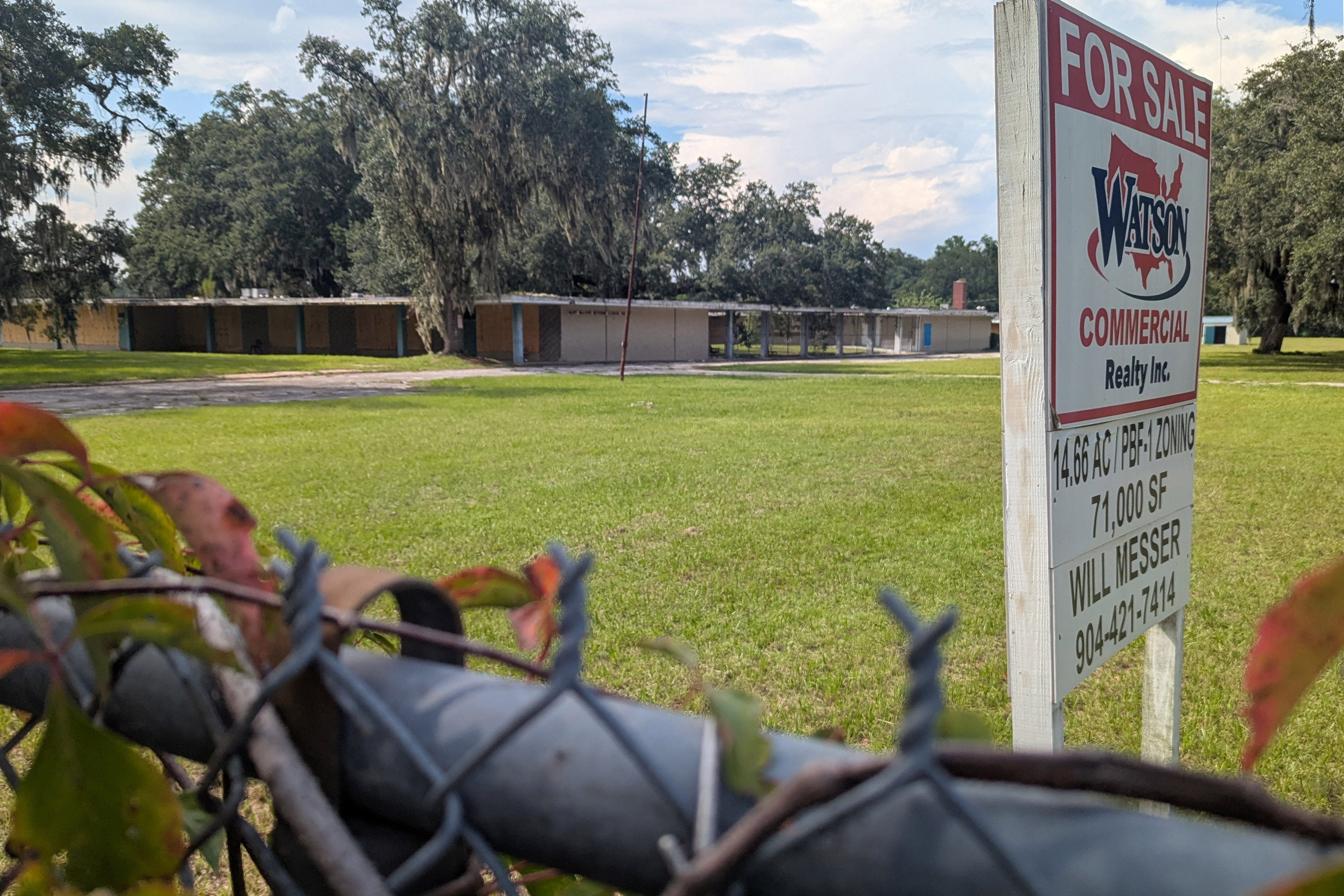
A joint investigation reports that Jacksonville’s historically Black neighborhoods, including the former Brown’s Dump landfill site, face severe child firearm-injury rates amid a legacy of redlining, toxic contamination, poverty, and public disinvestment. More than 4,000 Florida children were hospitalized for firearm injuries from 2018 through 2024, including at least 375 Jacksonville children. Research cited in the report associates early-life lead exposure with increased later risk of firearm violence, though researchers caution that lead is one factor among several. Cleanup has occurred, but residents say broader health and economic harms remain.
Watchmen Signals
Biblical Context
Children exposed to toxic substances, families living amid persistent violence, and residents who allege that public institutions have neglected their neighborhoods raise questions Scripture treats as matters of justice rather than merely policy preference. Isaiah condemns laws and official practices that deprive the poor and vulnerable of justice, which directly illuminates the reported history of redlining, hazardous land use, and inadequate public response. Psalm 82 calls those with authority to defend the weak and needy; that principle bears on whether government institutions protect children and address conditions that endanger them. Proverbs 31:8-9 similarly commands advocates for those who cannot adequately speak for themselves to defend their rights. The report’s focus on children injured by firearms and on residents seeking remediation, health services, housing, and neighborhood investment fits that concern. Jesus’ welcome of children in Mark 10:13-16 does not prescribe a modern gun-violence program, but it establishes the importance of receiving and protecting children rather than treating their safety as peripheral. Scripture also condemns partiality and favoritism. James 2:1-9 addresses preferential treatment in the Christian community, not modern zoning or environmental regulation, so its application here is an interpretive moral parallel rather than a direct explanation of redlining. Nevertheless, it supports rejecting systems that assign different practical value or protection to communities because of their social identity or poverty. Jeremiah 22:3 calls rulers to do justice, rescue the oppressed, and refrain from violence; that passage is relevant to public responsibility, though it does not settle which governmental remedies should be adopted. These passages support concern for justice, protection of vulnerable children, truthful accountability, and responsible leadership. They do not prove that Jacksonville’s contamination caused its firearm violence, endorse a particular public-health or economic policy, or establish that the reported conditions fulfill biblical prophecy. The supplied facts describe a grave social and environmental injustice, not a specific prophetic event.
Biblical Sources
Scripture references supporting the biblical context above.
Isaiah condemns rulers who enact unjust decrees and deprive the poor and vulnerable of justice. This directly supports concern about discriminatory systems, official neglect, and harms borne by marginalized neighborhoods.
James condemns partiality toward people based on status and wealth. Its context is favoritism within the church, but it provides a relevant moral principle against treating poorer or racially marginalized communities as less worthy of protection or investment.
Jeremiah commands rulers to do justice, rescue the oppressed, and avoid violence. It is relevant to evaluating government responsibility toward residents facing dangerous and unequal conditions.
Jesus receives and blesses children when others try to prevent them from coming to him. The passage supports the moral importance of children and their care, while not prescribing a particular firearm or environmental policy.
These verses instruct people with influence to speak for those who cannot adequately defend their own rights. The principle applies to children injured by violence and communities seeking action on pollution and disinvestment.
The psalm calls those exercising authority to defend the weak, fatherless, afflicted, and needy. It materially relates to protecting children and vulnerable residents from preventable danger.
Comments
No comments yet.
Sign in to join the conversation.
Sign InStay Informed. Grow in Biblical Understanding.
Explore important news from around the world through the context of God's Word. Create your FREE Watchmen account to discover more news analysis, Biblical Insights, and Scripture-based perspectives.
Create Your FREE AccountFree to join. No credit card required.