Israelis head to the polls as the nation selects its parties for the 26th Knesset
Summary
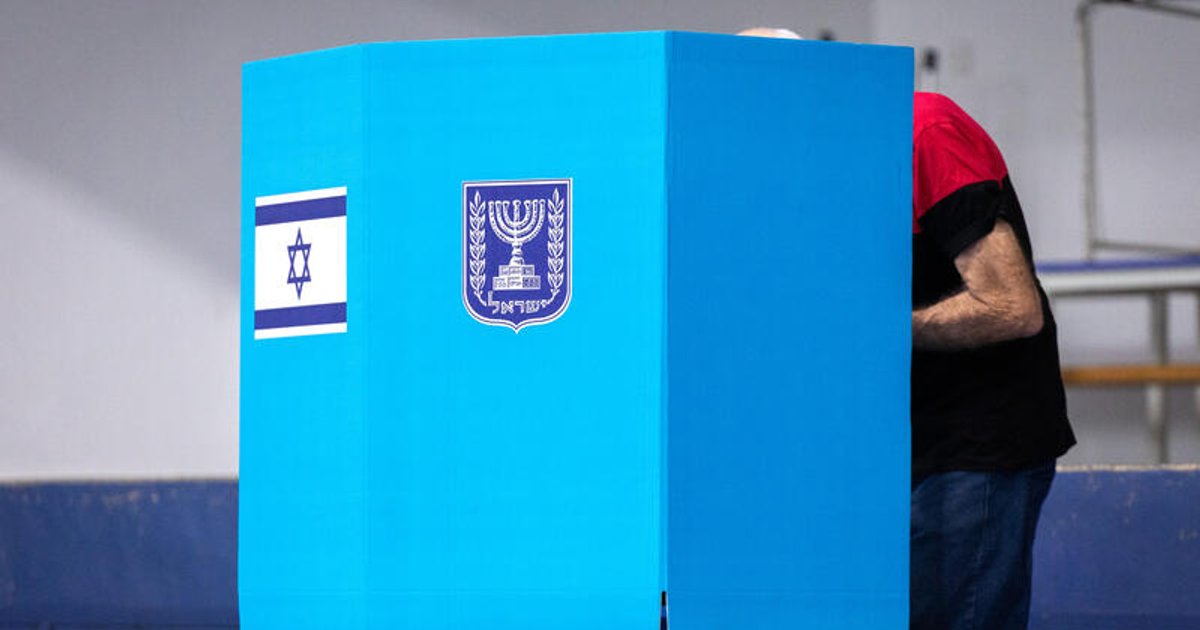
Israel opened polling for its 26th Knesset election following nearly three years of conflict after the October 7, 2023, Hamas attacks. About 7.3 million people are eligible to vote at roughly 12,000 polling stations. Opposition leaders and families of victims and hostages called for accountability, while coalition figures warned against increased Arab and left-wing turnout. Polls showed a close contest between Gadi Eisenkot’s Yashar party and Benjamin Netanyahu’s Likud, with neither projected to secure the 61 seats needed to govern alone.
Watchmen Signals
Biblical Context
Israel’s election concerns national leadership, responsibility for protecting the population, justice, and the treatment of competing communities—subjects Scripture addresses meaningfully, even though modern party elections are not prescribed as a biblical institution. Deuteronomy 16:18-20 calls for officials who judge fairly, reject partiality, and refuse bribery. That principle is relevant to public expectations that leaders should protect citizens and answer for serious failures, although the passage does not establish that any named Israeli leader is guilty of wrongdoing. Romans 13:1-4 describes governing authority as an institution responsible for public order and the punishment of wrongdoing. In the reported setting, the government’s conduct during and after a national security catastrophe is therefore a legitimate matter of public accountability. The passage does not endorse a particular party or imply that political opposition is automatically righteous. Psalm 72:1-4 presents an ideal of just rule in which leaders defend the vulnerable and judge the people with righteousness. Its connection here is principled rather than predictive: families of victims and hostages are demanding responsibility, while voters are choosing among competing visions of security and government. Scripture also warns against treating political power as a substitute for trust in God. The election’s Jewish, Arab, Haredi, and secular divisions should not be turned into a claim that one voting bloc alone represents biblical faithfulness. No specific prophetic passage is established by the reported opening of polls, party competition, or uncertainty over coalition formation. Israel’s political importance and wartime instability justify observation, but the supplied facts do not demonstrate fulfillment of a recognizable prophecy.
Biblical Sources
Scripture references supporting the biblical context above.
These verses require public officials and judges to administer justice impartially and reject corruption. They provide a direct biblical principle for evaluating public leadership and demands for accountability, without determining the guilt of any particular Israeli official.
This royal psalm portrays righteous governance as protecting the afflicted and judging the people fairly. It offers a biblical standard relevant to the election’s focus on security, responsibility, and the welfare of affected communities, though it is not a prediction about this election.
Paul describes governing authority as responsible for public order and for opposing wrongdoing. This materially illuminates the public significance of Israel’s government, security failures, and the electorate’s decision about national leadership.
Comments
No comments yet.
Sign in to join the conversation.
Sign InStay Informed. Grow in Biblical Understanding.
Explore important news from around the world through the context of God's Word. Create your FREE Watchmen account to discover more news analysis, Biblical Insights, and Scripture-based perspectives.
Create Your FREE AccountFree to join. No credit card required.