Israel heads into deeply divided election as Oct. 7 reckoning looms: What to know
Summary
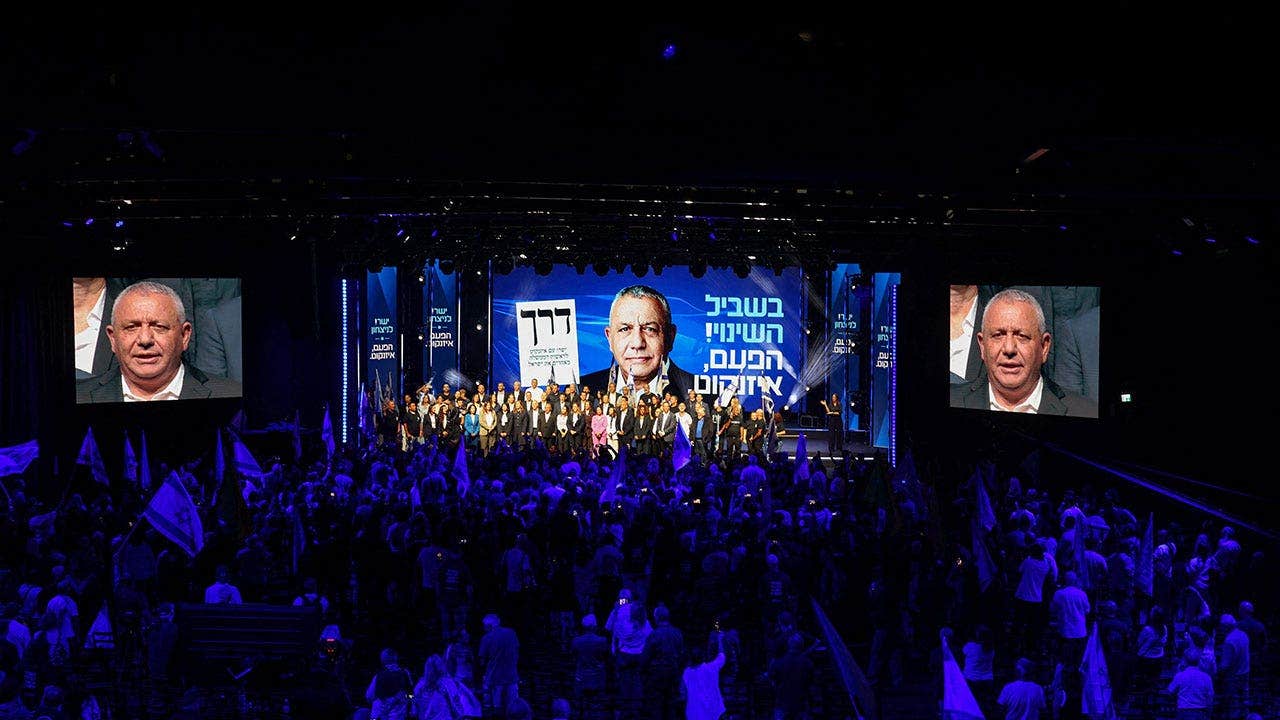
Israel is preparing for a closely contested national election centered on Prime Minister Benjamin Netanyahu’s political future and public demands for accountability over the security failures preceding Hamas’s October 7, 2023, attack. The vote is also shaped by disputes over Netanyahu’s judicial reforms, Israel’s conduct of the war, relations with Iran and the United States, and the future of Gaza. Because neither major bloc is expected to secure 61 Knesset seats, coalition negotiations could produce prolonged uncertainty, unrest, or another election.
Watchmen Signals
Biblical Context
Israel’s choice of national leadership and its handling of violence, justice, military responsibility, and relations with neighboring peoples are matters Scripture addresses meaningfully, even though the Bible does not prescribe Israel’s modern parliamentary system or identify this election as a prophetic fulfillment. The article’s central accountability question is illuminated by Deuteronomy 16:18–20, where Israel is instructed to appoint judges and officials who judge fairly, reject partiality, and refuse bribes. That passage does not determine whether Netanyahu or any other candidate should win, but it establishes justice and impartial public administration as legitimate standards for evaluating rulers and institutions. The article’s dispute over whether responsibility belongs to the prime minister, the security establishment, or both can also be considered alongside Ezekiel 33:1–6, which uses the watchman’s responsibility for warning of danger as a framework for accountability. The comparison is thematic rather than a claim that the passage directly identifies modern military officials or politicians. Proverbs 29:2 connects public leadership with the welfare of a people: when the righteous increase, the people rejoice, while oppressive rule brings distress. This provides a broad moral lens for the article’s discussion of polarized leadership, public confidence, and the consequences of governmental decisions. Romans 13:1–4 describes governing authority as having a responsibility to restrain wrongdoing and pursue the public good. It supports the relevance of government authority and security policy, while also cautioning against assuming that every government decision is automatically just or divinely endorsed. The article’s focus on Hamas’s attack, war, and possible future military action also relates to the Bible’s concern with protection from violence and the obligations of rulers. Psalm 72:1–4 portrays righteous rule as defending the afflicted and bringing justice to the vulnerable. That is a principle for assessing public leadership, not a prediction about the election’s result. Scripture also warns against confident reliance on human political power alone; Psalm 146:3–4 cautions against placing ultimate trust in princes. Together, these passages support careful attention to the election’s consequences without equating a modern political contest with a specific biblical prophecy. No particular prophetic passage is sufficiently matched by the reported election, coalition uncertainty, polarization, or threats from Hamas and Iran. Israel’s existence, warfare, and regional hostility are not by themselves evidence of prophetic fulfillment.
Biblical Sources
Scripture references supporting the biblical context above.
Israel’s officials and judges are commanded to administer justice impartially and reject corruption, directly supporting the article’s focus on governmental accountability and disputed responsibility for security failures.
The watchman imagery presents a principle of responsibility for recognizing danger and warning others. Its connection to the article’s security-failure debate is thematic rather than a direct identification of modern officials with the passage.
The verse connects the character of rulers with the well-being of the people, providing a biblical lens for the article’s discussion of leadership, public division, and national consequences.
This royal psalm portrays righteous leadership as defending the poor and afflicted and administering justice, offering a standard by which public authority can be morally considered.
The psalm warns against placing ultimate trust in human rulers, a relevant caution when an election is presented as decisive for Israel’s security and future.
Paul describes governing authority as responsible for restraining wrongdoing and serving the public good, relevant to the article’s treatment of state power, security policy, and political leadership.
Comments
No comments yet.
Sign in to join the conversation.
Sign InStay Informed. Grow in Biblical Understanding.
Explore important news from around the world through the context of God's Word. Create your FREE Watchmen account to discover more news analysis, Biblical Insights, and Scripture-based perspectives.
Create Your FREE AccountFree to join. No credit card required.