James Comey faces new DOJ case over alleged national defense disclosure
Summary
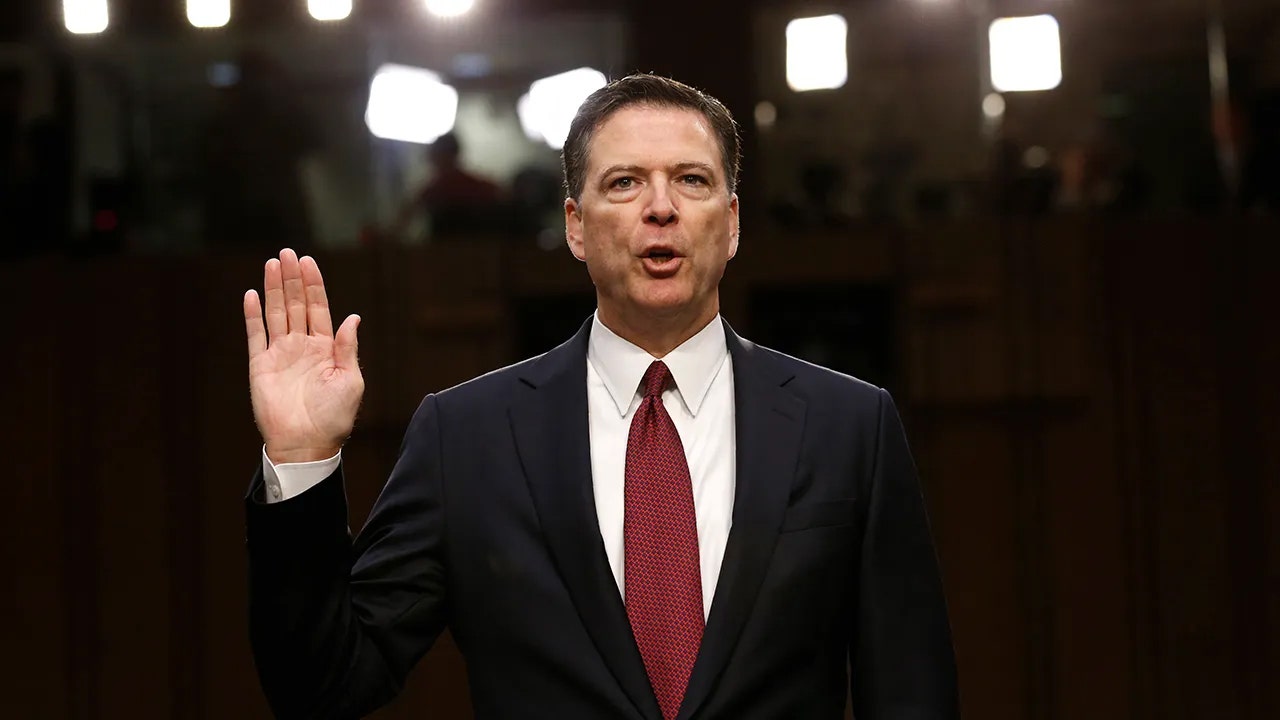
The Justice Department filed a two-count criminal information in federal court against former FBI Director James Comey, alleging that he knowingly disclosed national-defense information to an unauthorized person on or about October 5, 2016, and conspired with others to do so. DOJ said the filing preserves the allegations before the statute of limitations expires while the investigation continues. Comey denied wrongdoing, called the prosecution an abuse of power, and said he would contest it. The case is reportedly the third DOJ effort under President Donald Trump to prosecute him.
Watchmen Signals
Biblical Context
The allegations place truthful speech, protection of entrusted information, impartial justice, and governmental accountability at the center of the story. Proverbs 12:22 condemns deceitful speech and commends truthful conduct; that principle applies to the alleged disclosure and to the competing public claims, although Scripture does not determine whether Comey committed the charged offenses. Deuteronomy 16:18-20 requires judges to administer justice fairly and forbids partiality and bribery. That is relevant to the need for a fair prosecution and adjudication, especially where the defendant is a prominent former official. Romans 13:1-4 describes civil authority as having a legitimate role in restraining wrongdoing and administering justice. It supports the general principle that government may prosecute genuine offenses, but it does not automatically validate every prosecution or eliminate the obligation of officials to act justly. Exodus 23:1-3, 6-8 further warns against spreading false reports, joining wrongful accusations, and perverting justice through partiality. These passages illuminate why both the alleged disclosure and the fairness of the prosecution require careful examination. The article does not establish that the allegations are true, that the prosecution is politically motivated, or that any biblical prophecy is being fulfilled. The connection to Scripture is therefore ethical and governmental: public officials, prosecutors, courts, and defendants remain accountable to truth and impartial justice.
Biblical Sources
Scripture references supporting the biblical context above.
These instructions require judges to administer justice, reject partiality, and pursue justice, supporting the need for an impartial court process involving a powerful former official.
These commands prohibit spreading false reports, participating in wrongful accusations, and perverting justice through partiality. They apply thematically to both the alleged disclosure and the obligation of prosecutors and courts to handle the case fairly.
The verse commends truthful speech and condemns lying, providing a direct ethical principle relevant to allegations of unlawful disclosure and to conflicting public statements about the case.
Paul recognizes government’s legitimate responsibility to restrain wrongdoing and administer justice. The passage supports lawful accountability while not declaring that every government prosecution is just or correct.
Comments
No comments yet.
Sign in to join the conversation.
Sign InStay Informed. Grow in Biblical Understanding.
Explore important news from around the world through the context of God's Word. Create your FREE Watchmen account to discover more news analysis, Biblical Insights, and Scripture-based perspectives.
Create Your FREE AccountFree to join. No credit card required.