ROBERT F KENNEDY JR, DR MEHMET OZ: 250 hospitals join the fight for healthier food
Summary
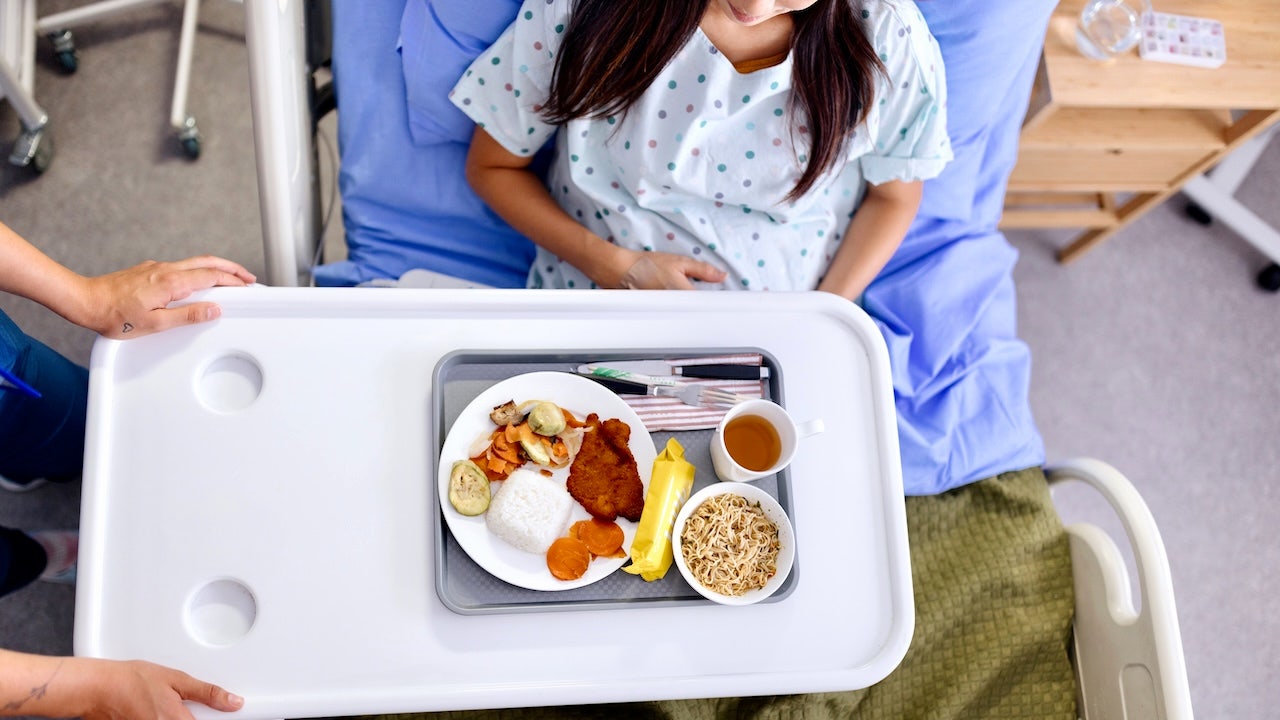
A nationwide initiative led by the Department of Health and Human Services and the Centers for Medicare & Medicaid Services says 250 U.S. hospitals have joined the voluntary Make Hospital Food Healthier Pledge. The effort encourages hospitals to serve more fruits, vegetables, healthier proteins and minimally processed foods while preserving medically necessary dietary flexibility. CMS Administrator Mehmet Oz argues that hospital purchasing could influence food suppliers, schools and other institutions, although the supplied text does not identify participating hospitals, specific standards or independent evidence of implementation.
Watchmen Signals
Biblical Context
Caring for sick and vulnerable people is a meaningful biblical concern, which gives this hospital initiative a legitimate connection to Scripture. Jesus identifies visiting and caring for the sick as an expression of service to Him in Matthew 25:35-40. Hospitals serve precisely this population, so efforts to make meals more supportive of recovery can be understood as one practical aspect of compassionate care, although Scripture does not prescribe modern hospital menus or specific nutritional standards. The article also raises a stewardship question. First Corinthians 6:19-20 teaches believers to regard the body as belonging to God and to honor Him with it. That passage primarily addresses sexual holiness and personal conduct, not institutional food policy; its application to nutritious hospital meals is therefore a broader principle rather than a direct command. It can support the idea that physical well-being should not be treated carelessly, but it does not establish that one particular diet is biblically required. The Good Samaritan’s actions in Luke 10:30-37 provide another relevant example of concrete care for an injured and vulnerable person. The Samaritan responds to an immediate physical need and uses available resources to secure continued care. The comparison is thematic, not prophetic: hospitals and modern nutrition programs are not equivalent to the parable’s specific circumstances. Together, these passages support compassionate attention to patients’ needs and responsible care without turning a voluntary public-health pledge into a biblical mandate.
Biblical Sources
Scripture references supporting the biblical context above.
Paul teaches that the body is to be honored as belonging to God. Applied cautiously, this supports responsible concern for physical well-being, though the passage’s immediate context is sexual purity rather than hospital nutrition.
The Good Samaritan responds concretely to an injured person’s physical needs and arranges continuing care. The passage offers a thematic model of practical mercy relevant to caring for hospital patients.
Jesus describes feeding, welcoming, clothing and visiting people in need, including the sick. This supports viewing attentive hospital care for vulnerable patients as a practical expression of compassion, while not prescribing particular hospital meals.
Comments
No comments yet.
Sign in to join the conversation.
Sign InStay Informed. Grow in Biblical Understanding.
Explore important news from around the world through the context of God's Word. Create your FREE Watchmen account to discover more news analysis, Biblical Insights, and Scripture-based perspectives.
Create Your FREE AccountFree to join. No credit card required.