Netanyahu reportedly pressured military to attack Iran in run-up to election
Summary
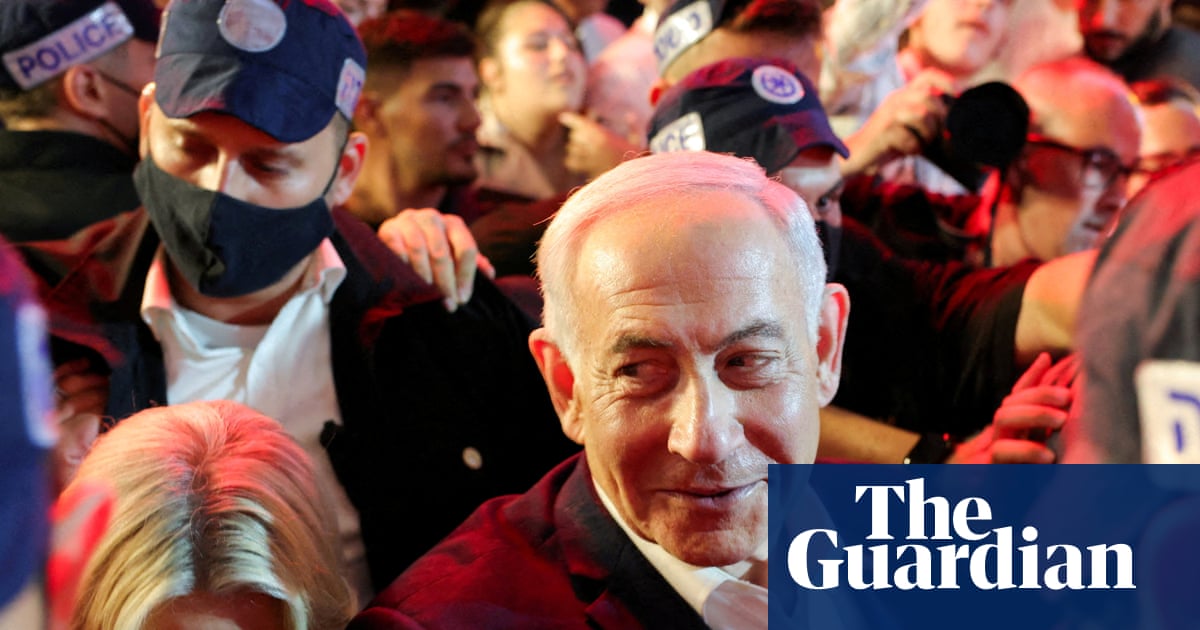
Israeli Prime Minister Benjamin Netanyahu is using increasingly alarmist warnings about Iran’s nuclear program as his coalition trails the opposition before closely contested Knesset elections. Reports say he pressured Israel’s military and urged Donald Trump to renew strikes against Iran, though Netanyahu, the Defense Ministry, and Trump have denied or rejected some elements of those accounts. Polls suggest the opposition may win more seats but struggle to form a majority. Netanyahu also faces a corruption trial and criticism over alleged politicization of state institutions.
Watchmen Signals
Biblical Context
The reported use of existential fear in an election and the alleged pressure surrounding possible military action connect with biblical teaching about political leadership, accountability, and the costs of war. Proverbs 29:2 describes the consequences of righteous or wicked rule for a people; it offers a moral principle for evaluating leadership, not an endorsement of any Israeli faction. Deuteronomy 17:14-20 places limits on an Israelite king, emphasizing that a ruler must remain subject to God’s law rather than exalt himself above the people. That provides a relevant framework for the article’s allegations about executive power, judicial independence, and the possible use of state institutions for political purposes, while not proving those allegations. The reported possibility of military escalation also makes Jesus’ teaching in Luke 14:31-32 relevant: a king considering war is told to assess the strength and consequences of the conflict before proceeding. The passage is about counting the cost, not a direct prediction concerning Iran or Israel. Romans 13:1-4 recognizes governmental authority as having responsibility to restrain wrongdoing and serve the public good; it does not grant leaders unlimited authority or make every governmental decision morally right. James 3:1 warns that those who teach or exercise influence face stricter judgment, a broader accountability principle applicable to public claims and leadership rhetoric. Scripture does address Israel, hostile nations, and warfare in many places, but the facts supplied here do not identify the distinctive events, alliances, judgments, or sequence required to connect this election and these reported military discussions to a particular prophecy. The parallels therefore support ethical and political reflection more securely than prophetic identification.
Biblical Sources
Scripture references supporting the biblical context above.
The instructions for Israel’s king require humility, obedience to God’s law, and restraint from self-exaltation, which relates to the article’s claims about executive power and institutional independence.
The warning that influential teachers face stricter judgment supports a broader principle of accountability for those who shape public understanding and exercise leadership.
Jesus uses a king considering war to illustrate the need to assess costs and consequences before acting; this is relevant to reports of possible military escalation, though it is not a prophecy about Iran.
The proverb contrasts the effects of righteous and wicked rule on a people, providing a relevant framework for assessing leadership rhetoric and public consequences.
Paul describes government’s legitimate responsibility to restrain wrongdoing and serve public order, while the passage does not imply that rulers have unlimited or automatically righteous authority.
Comments
No comments yet.
Sign in to join the conversation.
Sign InStay Informed. Grow in Biblical Understanding.
Explore important news from around the world through the context of God's Word. Create your FREE Watchmen account to discover more news analysis, Biblical Insights, and Scripture-based perspectives.
Create Your FREE AccountFree to join. No credit card required.