U.S. Says Military Helped Move 1.5 Billion Barrels of Oil Through Strait of Hormuz
Summary
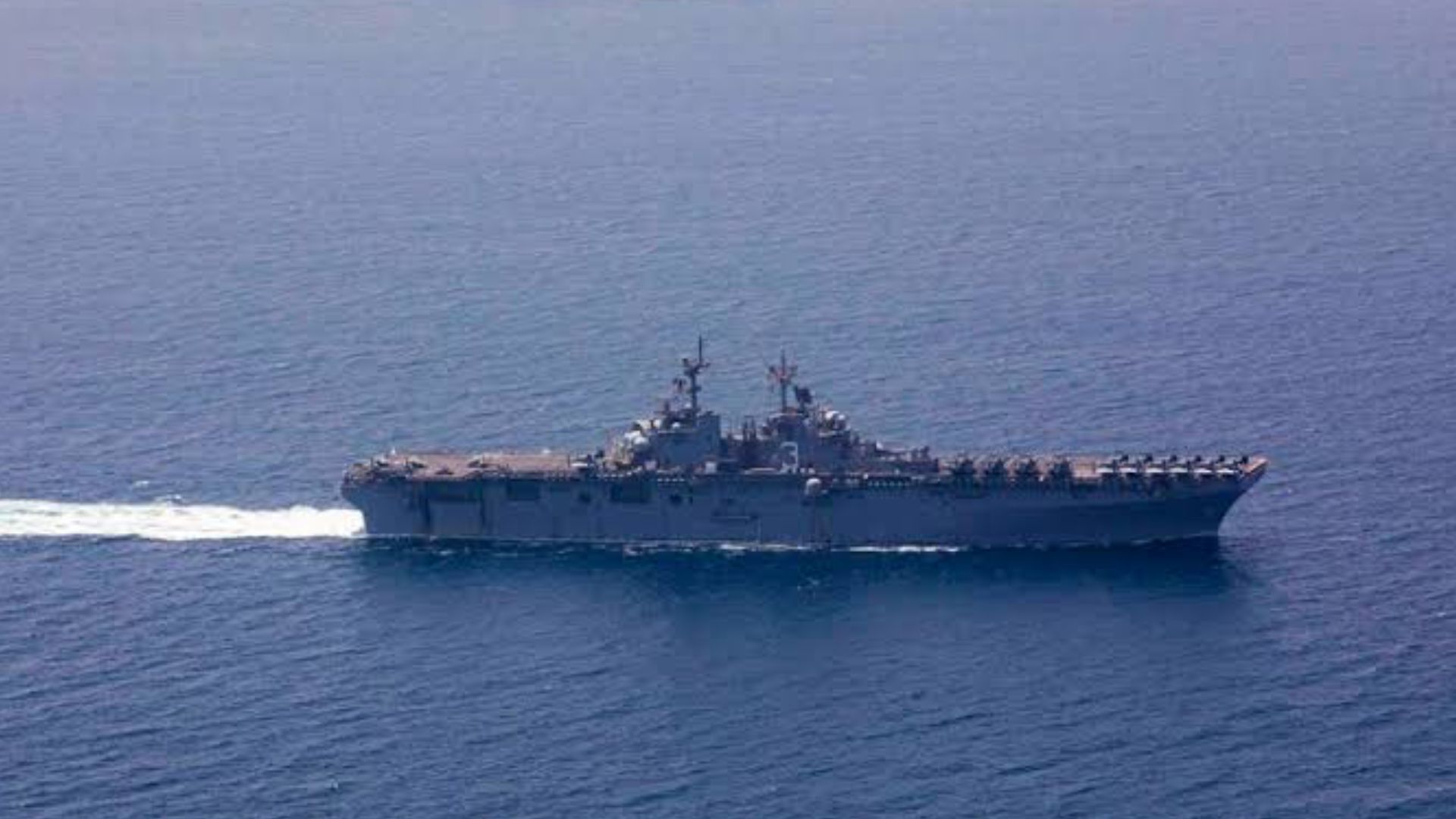
U.S. forces have helped Gulf partners move more than 1.5 billion barrels of crude through the Strait of Hormuz since summer, according to CENTCOM figures reported Monday. The command also said it supported more than 3,000 commercial vessel transits over six months. CENTCOM commander Admiral Brad Cooper surveyed the waterway as Washington emphasized its role in protecting shipping. The announcement comes amid ongoing IRGC threats and reported attacks on commercial vessels, raising concerns about maritime security and possible regional escalation.
Watchmen Signals
Biblical Context
Threats against commercial vessels and the use of military power to protect shipping raise questions Scripture addresses concerning violence, legitimate authority, justice, and the pursuit of peace. Romans 13:1-4 describes governing authorities as accountable to God and responsible for restraining wrongdoing; that principle can support the legitimate protection of people and commerce from violent attack, without automatically endorsing every military policy or action. The conduct of armed personnel also matters. In Luke 3:14, soldiers are told not to use their position for extortion or false accusation and to be content with their wages. Although the passage does not address naval security specifically, it establishes a relevant standard that military power must not become a tool for abuse, coercion, or unjust enrichment. Psalm 82:3-4 calls those with authority to defend the weak and rescue people from oppression. The passage is not a direct prediction about the Strait of Hormuz, but it provides a broader justice-oriented framework for evaluating efforts to protect civilian crews and commercial traffic from violence. Conversely, Matthew 5:9 commends peacemaking, reminding readers that deterrence and protection should not be separated from the goal of preventing wider conflict. These passages support the established biblical relevance because the reported development materially involves threats, violence, military authority, and protection of civilians and commerce. They do not identify the events as fulfillment of prophecy. No specific prophetic passage is clearly matched by the limited facts provided: the article reports maritime threats and a security operation, but not the distinctive combination of events required to establish a particular biblical prophecy.
Biblical Sources
Scripture references supporting the biblical context above.
John the Baptist instructs soldiers not to extort or falsely accuse people and to be content with their wages. The passage provides a relevant standard for ethical conduct by armed personnel, though it does not specifically address maritime security.
Jesus blesses peacemakers. The teaching provides a relevant ethical aim for evaluating security operations: protection and deterrence should serve the prevention of wider violence rather than escalation.
The psalm calls those exercising authority to defend the weak and rescue the oppressed. This broader justice principle relates to protecting civilian crews and commercial traffic from violent threats, but the connection is indirect rather than a direct statement about the reported operation.
Paul describes governing authorities as accountable to God and responsible for restraining wrongdoing. This meaningfully informs the question of military authorities protecting commercial vessels from violent attack, while not validating every particular government action.
Comments
No comments yet.
Sign in to join the conversation.
Sign InStay Informed. Grow in Biblical Understanding.
Explore important news from around the world through the context of God's Word. Create your FREE Watchmen account to discover more news analysis, Biblical Insights, and Scripture-based perspectives.
Create Your FREE AccountFree to join. No credit card required.