Netanyahu fights for political future as Israel heads to polls with Iran threat looming
Summary
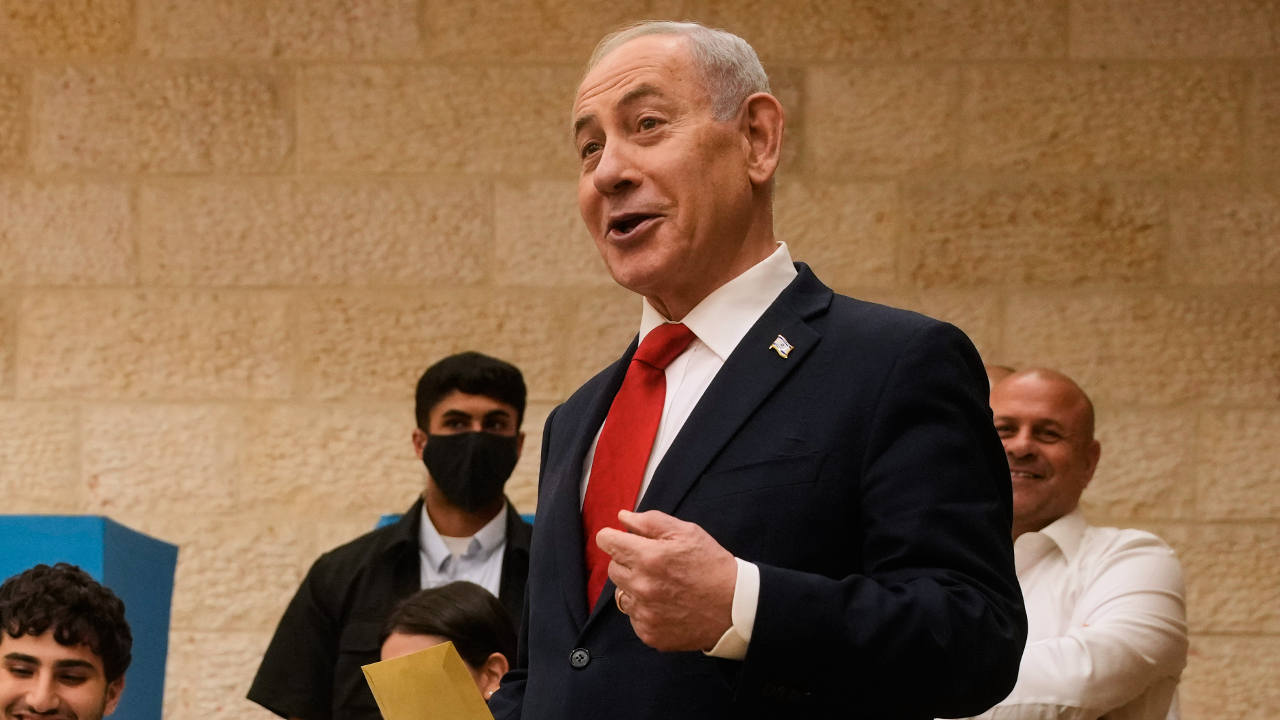
Ahead of Israel’s Oct. 27 national election, President Donald Trump endorsed Prime Minister Benjamin Netanyahu, praising him as a partner in confronting Iran and urging his re-election. Netanyahu’s campaign centers on preventing Iran from obtaining nuclear weapons and continuing the fight against Hamas and Hezbollah. Polls reportedly show neither Netanyahu’s coalition nor the opposition led by Gadi Eisenkot has a clear path to the 61 Knesset seats needed to govern. The vote could therefore produce another coalition crisis amid unresolved security, conscription, hostage, and diplomatic challenges.
Watchmen Signals
Biblical Context
Israel’s election, the conduct of its national leadership, and the continuing threat of war involve subjects Scripture addresses meaningfully, even though the supplied report does not establish a specific prophetic fulfillment. Deuteronomy 17:14–20 describes the responsibilities and limits of an Israelite king, emphasizing that the ruler is not above God’s law and must govern with humility rather than self-exaltation. That provides a relevant framework for evaluating claims about a leader’s legacy, security mission, and exercise of power, although it is not a direct prediction about Netanyahu or Israel’s modern electoral system. Romans 13:1–4 presents governing authority as having responsibility to restrain wrongdoing and pursue public order. Its treatment of government authority can illuminate the security dilemmas described in the report, including military action against Hamas and Hezbollah and efforts to protect civilians. It does not settle the wisdom, morality, or legality of any particular operation, nor does it automatically endorse every policy of a government. The article also reports disputes over justice, settler violence, and unequal obligations concerning military service. Micah 6:8 calls God’s people to practice justice, love mercy, and walk humbly with God; that broad ethical principle is relevant to evaluating treatment of Palestinians and other affected civilians, but the passage does not prescribe a modern conscription policy or resolve the political debate. Luke 3:14 records John the Baptist telling soldiers not to extort or falsely accuse people and to be content with their wages. In context, it does not condemn military service itself, but it underscores moral restraint and integrity for those exercising coercive authority. Finally, 1 Timothy 2:1–2 urges prayer for kings and those in authority so that people may live peaceful and godly lives. The passage is relevant to the election’s consequences for peace, public order, and national leadership, while remaining distinct from an endorsement of any particular candidate. The reported election and regional conflicts should therefore be understood as biblically relevant matters of leadership, justice, security, and accountability—not as proof that a named prophecy is being fulfilled. No specific prophetic passage is sufficiently matched by the facts supplied here.
Biblical Sources
Scripture references supporting the biblical context above.
Calls believers to pray for rulers and authorities so that society may experience peace and godly order, which is relevant to the election’s implications for national leadership and conflict.
Describes the responsibilities, restraints, and humility required of an Israelite king, providing a framework for considering national leadership and claims about a ruler’s mission and legacy.
John the Baptist instructs soldiers not to extort or falsely accuse people, illustrating moral restraint and integrity in the exercise of coercive authority while not rejecting military service itself.
Calls for justice, mercy, and humility before God, offering a relevant ethical standard for reported disputes involving settler violence, Palestinians, and the conduct of public leadership.
Explains the governing authority’s responsibility to maintain order and restrain wrongdoing, which relates to the security and military responsibilities discussed in the report without endorsing every government action.
Comments
No comments yet.
Sign in to join the conversation.
Sign InStay Informed. Grow in Biblical Understanding.
Explore important news from around the world through the context of God's Word. Create your FREE Watchmen account to discover more news analysis, Biblical Insights, and Scripture-based perspectives.
Create Your FREE AccountFree to join. No credit card required.