Black patients and people with learning disability face longer breast cancer care delays
Summary
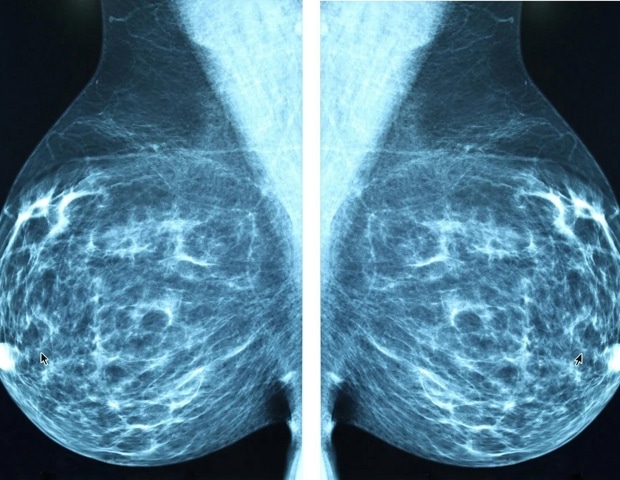
A University of Surrey-led study of 86,564 adults diagnosed with breast cancer in England between 2009 and 2018 found substantial inequalities in diagnosis and treatment. Black patients were less likely than White patients to be diagnosed through routine screening and more likely to receive an emergency diagnosis. People with learning disabilities waited longer for diagnosis and treatment, while patients with severe mental illness and those in deprived areas faced similar disadvantages. The researchers said overlapping barriers produced the poorest outcomes.
Watchmen Signals
Biblical Context
Unequal access to screening, diagnosis, and treatment raises questions of justice, impartiality, and responsibility toward people who face particular barriers. James 2:1-9 condemns showing partiality toward people based on social standing and presents impartial treatment as part of loving one's neighbor. Although the passage does not address modern healthcare systems specifically, its principle is relevant to evidence that racial, disability-related, mental-health-related, and socioeconomic factors are associated with unequal care. Leviticus 19:15 commands Israel's judges not to pervert justice through partiality, whether favoring the poor or the powerful. Applied cautiously, this supports the expectation that systems making consequential decisions should administer care fairly rather than allowing disadvantage to determine access. Proverbs 31:8-9 calls for speaking up for those who cannot adequately represent themselves and defending the rights of the poor and needy. That principle has particular relevance to the article's finding that people with learning disabilities are under-represented in healthcare data and may face barriers that remain insufficiently visible. Galatians 6:2 instructs believers to bear one another's burdens. It does not prescribe a specific public-health policy, but it supports attentive care for people whose disabilities, illness, or social circumstances make it harder to navigate diagnosis and treatment. These passages establish moral principles rather than proving that the reported disparities fulfill prophecy. The article presents a healthcare justice issue, not a specifically predicted biblical event.
Biblical Sources
Scripture references supporting the biblical context above.
The instruction to bear one another's burdens supports a responsibility to help people facing disability, illness, and practical barriers rather than leaving them to navigate those burdens alone.
The passage rejects partiality and connects impartial treatment with the command to love one's neighbor. It provides a direct ethical principle for evaluating unequal treatment associated with race, disability, mental illness, or social disadvantage.
This command requires justice without improperly favoring either the poor or the powerful. It relates to the need for fair and consistent access to consequential services such as cancer diagnosis and treatment.
These verses call for defending the rights of people who may be unable to advocate effectively for themselves. That is relevant to the reported under-representation and barriers affecting people with learning disabilities and other vulnerable groups.
Comments
No comments yet.
Sign in to join the conversation.
Sign InStay Informed. Grow in Biblical Understanding.
Explore important news from around the world through the context of God's Word. Create your FREE Watchmen account to discover more news analysis, Biblical Insights, and Scripture-based perspectives.
Create Your FREE AccountFree to join. No credit card required.