Houthis Claim Attacks on Saudi Oil Pipeline Stations and Riyadh Airport
Summary
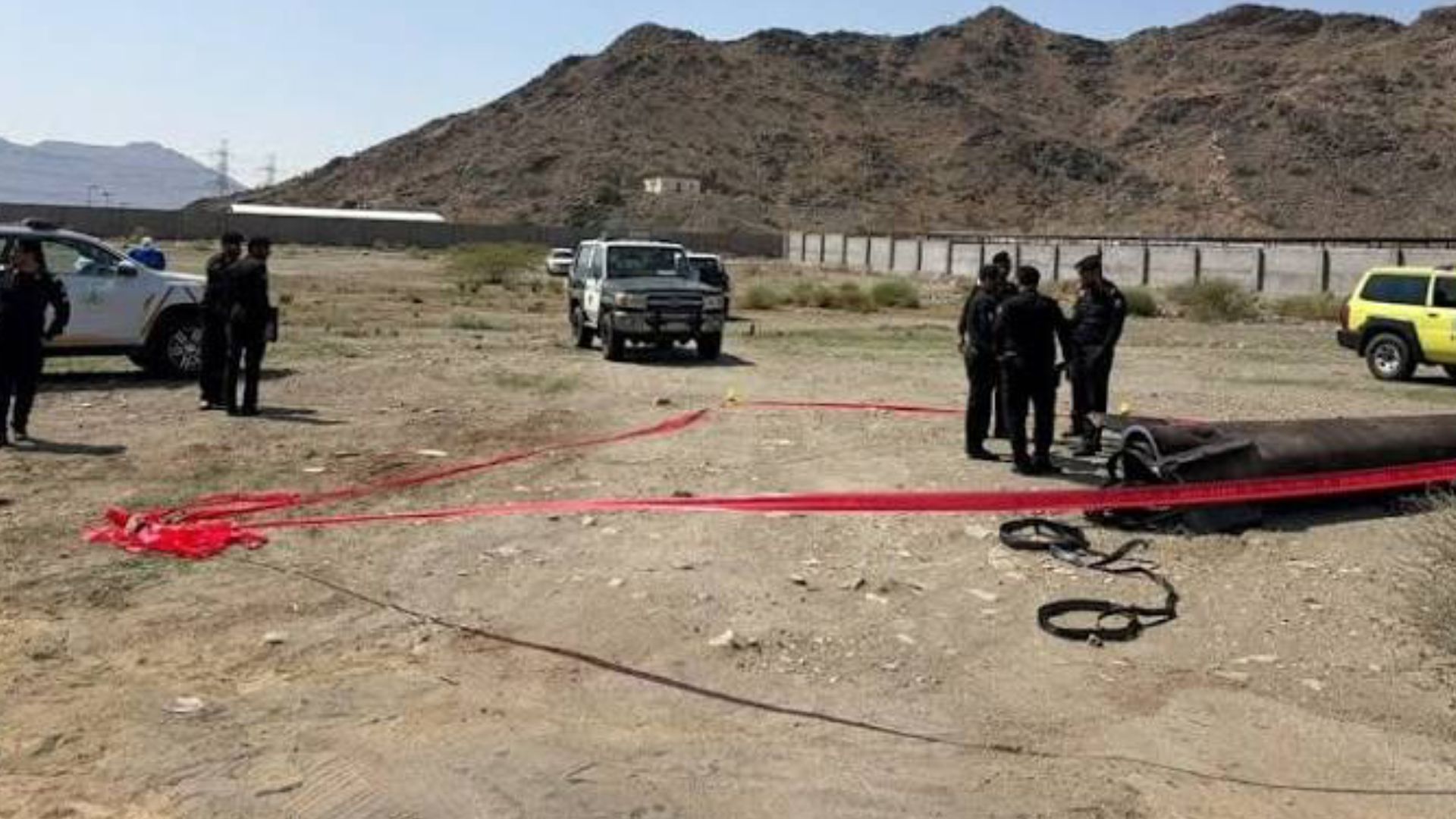
On Monday, October 26, the Houthis claimed responsibility for attacks targeting Saudi Arabia’s East-West oil pipeline pumping stations and King Khalid International Airport in Riyadh. Saudi authorities had not confirmed that either site was struck. The Saudi-led coalition said it intercepted a missile bound for Riyadh, destroyed two launchers in Sanaa, and hit Houthi missile-storage tunnels and other military infrastructure in Yemen. The developments coincided with regional talks in Tehran and Egypt’s authorization of military assistance to Saudi Arabia.
Watchmen Signals
Biblical Context
The reported missile attacks, threatened civilian sites, retaliatory strikes, and decisions by governments to provide military assistance raise concrete biblical questions about the use of power, protection of the innocent, and the pursuit of peace. Jesus blesses those who make peace in Matthew 5:9. That teaching does not erase the responsibility of authorities to confront armed threats, but it places peacemaking above retaliation or the glorification of conflict. The reported talks in Tehran are therefore relevant as a diplomatic effort occurring alongside military escalation, although the supplied text does not show whether they produced progress. Romans 13:1-4 describes governing authorities as accountable for restraining wrongdoing and protecting public order. This provides a relevant framework for evaluating Saudi, Egyptian, and coalition decisions, but it does not automatically approve every military action taken by a government. Claims that attacks targeted an oil pipeline and an airport also make the protection of civilians and essential infrastructure significant concerns. James 4:1-2 connects wars and conflicts to sinful desires and disputes among people. In context, the passage addresses the roots of conflict within communities rather than identifying a particular modern war. It offers a broader moral lens for considering the cycle of attack and retaliation described here. Scripture does not identify this Houthi-Saudi confrontation as a specific prophetic fulfillment, and the reported facts do not establish a distinctive correspondence to a particular end-times prophecy.
Biblical Sources
Scripture references supporting the biblical context above.
James addresses the sinful desires and disputes that produce conflicts, offering a broader moral framework for the cycle of violence described in the report.
Jesus identifies peacemaking as blessed, providing a direct principle for assessing diplomatic efforts and the escalation of attacks and retaliation.
Paul describes governing authorities as responsible for restraining wrongdoing and maintaining public order, relevant to the military and defensive decisions reported by Saudi Arabia, Egypt, and the coalition.
Comments
No comments yet.
Sign in to join the conversation.
Sign InStay Informed. Grow in Biblical Understanding.
Explore important news from around the world through the context of God's Word. Create your FREE Watchmen account to discover more news analysis, Biblical Insights, and Scripture-based perspectives.
Create Your FREE AccountFree to join. No credit card required.