Iran threatens civilian targets if US, Israel resume strikes
Summary
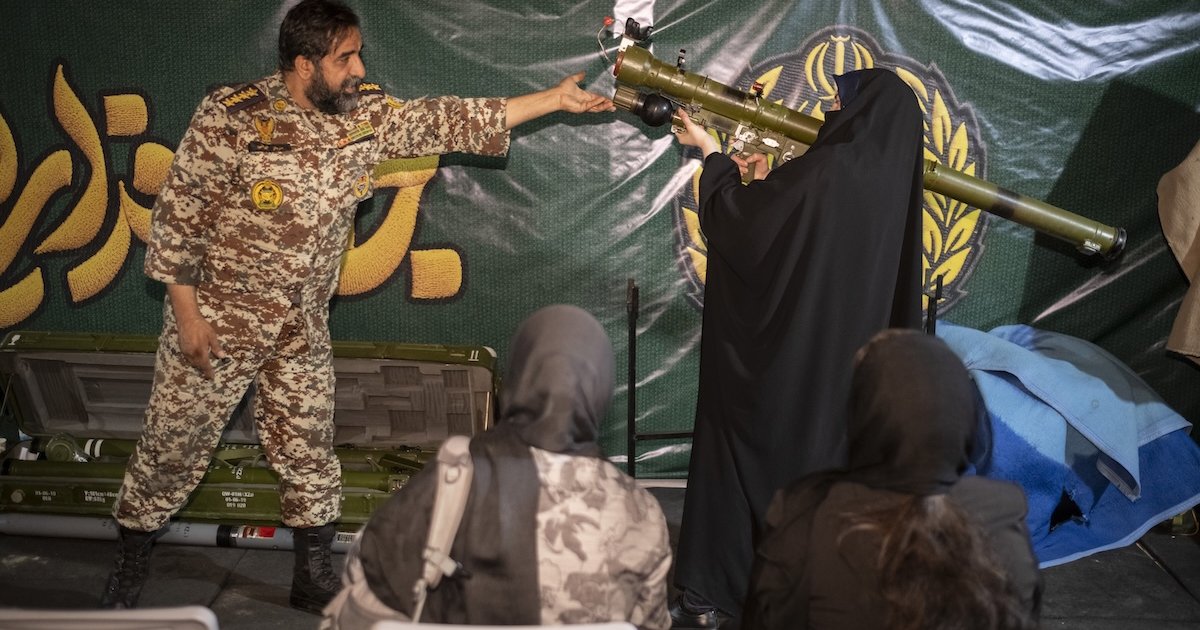
Iran has warned that a renewed U.S. or Israeli campaign could trigger attacks on American forces, airports, pipelines, energy facilities, and other infrastructure across the Persian Gulf. An Iranian lawmaker separately urged permitting nuclear weapons and suspending cooperation with the Nuclear Non-Proliferation Treaty, though no government decision to do so was reported. The warnings follow regional attacks attributed to Iran and its allies, including a deadly Houthi strike on Riyadh airport. Analysts disagree over Iran’s remaining missile capacity and the risks of escalation and retaliation.
Watchmen Signals
Biblical Context
The immediate biblical concern is the threatened expansion of warfare from military targets to civilian populations and essential infrastructure. Psalm 82:3-4 calls for the defense of the weak and vulnerable, which is directly relevant to threats against airports, energy systems, and other facilities whose destruction would expose civilians to death, displacement, and deprivation. Romans 13:1-4 describes governmental authority as carrying responsibility to restrain wrongdoing and pursue justice; it does not endorse every state action, but it provides a framework for judging rulers who threaten unjust violence or fail to protect those under their authority. The reported calls for nuclear use also underscore the seriousness of weapons capable of indiscriminate harm, although Scripture does not provide a modern weapons policy. A more specific prophetic comparison is possible in Ezekiel 38. The passage names Persia among forces associated with a future attack against Israel and describes a coordinated military movement involving multiple peoples. Modern Iran is often identified with Persia, and the article reports Iranian hostility amid a widening network of regional allies. That makes comparison with Ezekiel 38 reasonable for continued observation. However, the supplied facts do not describe the distinctive coalition, invasion, timing, or divine intervention portrayed in that passage. Current threats and proxy activity therefore should not be presented as proof that Ezekiel 38 is being fulfilled.
Biblical Sources
Scripture references supporting the biblical context above.
The passage describes a future coalition attacking Israel and explicitly includes Persia among the named participants. Iran’s identification with modern Persia and its regional alliances make a limited comparison reasonable, but the article lacks the full coalition and invasion described by Ezekiel.
These verses continue the prophecy’s description of nations advancing against Israel in a distinctive future event. They help show why the current tensions are only a partial and preliminary comparison rather than evidence of fulfillment.
The psalm calls for defending the weak, fatherless, afflicted, and needy. This materially relates to threats against civilian populations and infrastructure whose destruction could place vulnerable people in danger.
Paul describes governing authorities as responsible for restraining wrongdoing and pursuing justice. The passage provides a relevant framework for evaluating state threats, retaliation, and the protection of public order, without treating every government action as righteous.
Comments
No comments yet.
Sign in to join the conversation.
Sign InStay Informed. Grow in Biblical Understanding.
Explore important news from around the world through the context of God's Word. Create your FREE Watchmen account to discover more news analysis, Biblical Insights, and Scripture-based perspectives.
Create Your FREE AccountFree to join. No credit card required.