Trump restored the Department of War. Now it’s up to Congress to finish the job
Summary
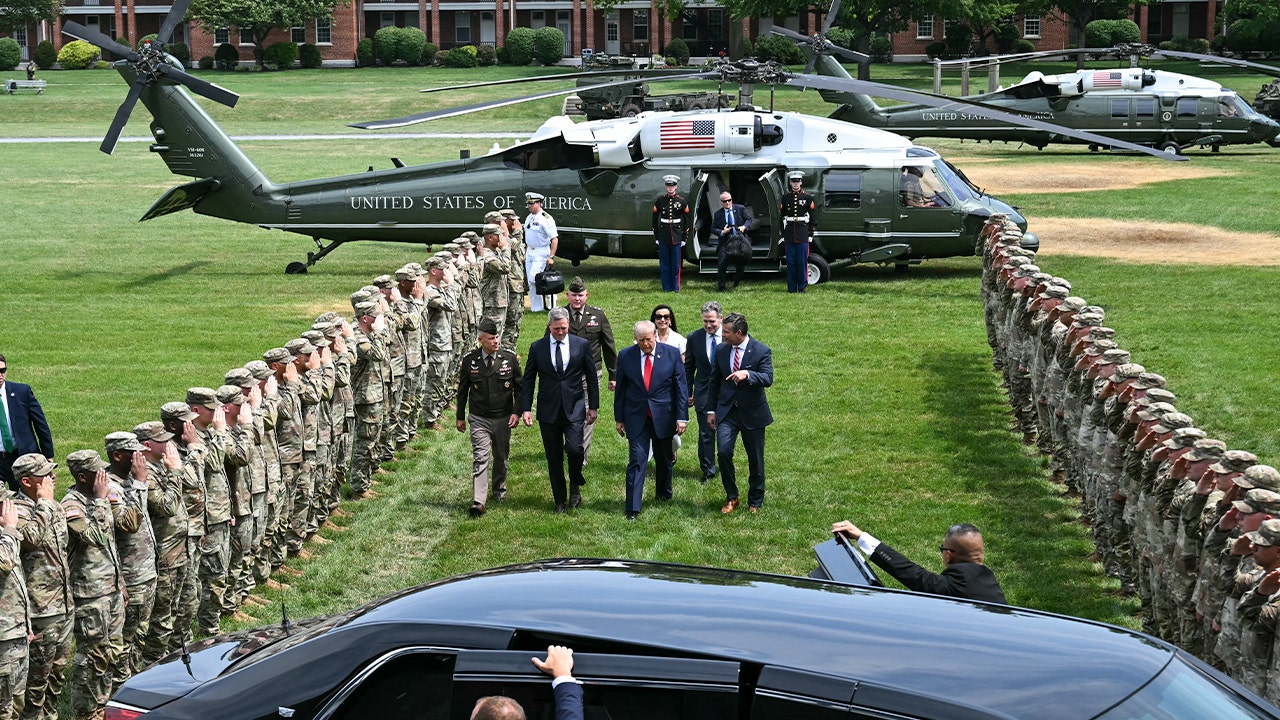
A former U.S. Army infantry platoon leader argues that President Donald Trump’s executive order authorizing the “Department of War” name clarifies the military’s central mission: fighting and winning wars. The opinion piece urges Congress to codify the change and endorses Secretary Pete Hegseth’s emphasis on military readiness, advanced weapons, autonomous systems, defense manufacturing, and “Fortress America” bases capable of operating independently during attacks. It portrays preparedness and overwhelming capability as means of deterring conflict and preserving peace.
Watchmen Signals
Biblical Context
Government authority and military force are legitimate subjects for biblical evaluation, but Scripture does not specifically endorse renaming a modern defense department or adopting a permanent war-oriented posture. Romans 13:1-4 describes governing authorities as responsible for restraining wrongdoing and recognizes the lawful use of force against serious evil. That principle can illuminate the article’s claim that military power may protect civilians and defend a nation, while also placing such power under public authority and moral accountability. Luke 3:14 addresses soldiers directly. John does not command them to abandon military service; instead, he condemns extortion, intimidation, and abuse of power. This is relevant to the article’s emphasis on combat effectiveness because biblical legitimacy depends not only on readiness to fight, but also on how force is exercised and whether civilians are treated justly. The article invokes preparedness for war as a path to peace. Isaiah 2:4 presents the ultimate biblical hope as the end of warfare and the transformation of weapons into productive tools, while Romans 12:18 calls believers to pursue peace as far as it depends on them. These passages do not settle modern defense policy, but they caution against treating military capability or warfighting identity as ends in themselves. The article’s claim that strength should serve deterrence and peace is therefore a policy argument that can be examined against, but not equated with, these biblical principles. No specific prophetic fulfillment is established. Military preparedness, warnings to adversaries, and fortified bases are broad features of statecraft and conflict, not distinctive evidence that a particular biblical prophecy is unfolding.
Biblical Sources
Scripture references supporting the biblical context above.
Isaiah portrays the future end of warfare and the conversion of weapons into peaceful tools. It provides an important counterpoint to the article’s emphasis on military preparedness and clarifies that biblical peace is more than deterrence.
John the Baptist tells soldiers not to extort or intimidate people and to be content with their wages. The passage relates directly to the ethical conduct and accountability of military personnel who exercise coercive power.
Paul instructs believers to live peaceably with everyone insofar as it depends on them. Though addressed primarily to personal conduct, it supports the article’s stated goal of lasting peace while cautioning against making conflict the ultimate objective.
Paul describes governing authorities as appointed to restrain wrongdoing and acknowledges their lawful use of force. This materially relates to the article’s discussion of government authority, military responsibility, and protection from enemies.
Comments
No comments yet.
Sign in to join the conversation.
Sign InStay Informed. Grow in Biblical Understanding.
Explore important news from around the world through the context of God's Word. Create your FREE Watchmen account to discover more news analysis, Biblical Insights, and Scripture-based perspectives.
Create Your FREE AccountFree to join. No credit card required.