Final round of polls predicts Israel to enter new political stalemate, no bloc close to 61-seat majority
Summary
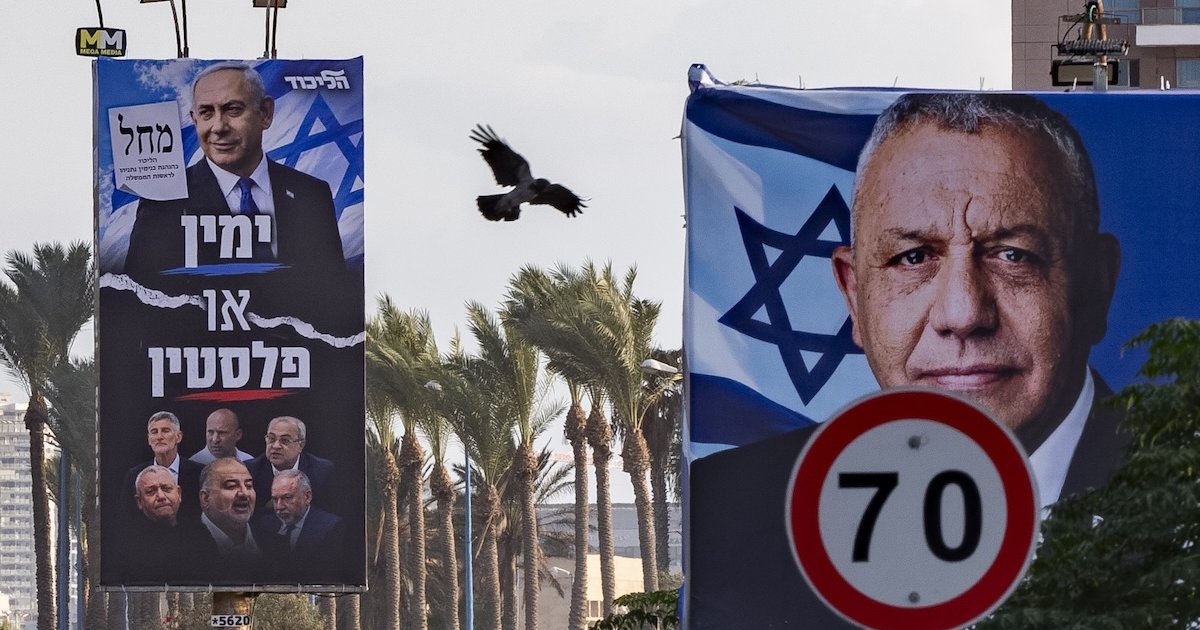
Final polling before Israel’s Tuesday election suggests that neither the bloc led by Benjamin Netanyahu nor the opposition bloc associated with Gadi Eisenkot is likely to secure the 61 Knesset seats required to form a government. Most surveys project Netanyahu’s bloc at roughly 50–52 seats and the opposition at 52–56, with Arab parties and two new parties potentially determining coalition options. If no government emerges, proposals include a minority or unity government, another election, or a temporary Eisenkot-led administration before renewed voting.
Watchmen Signals
Biblical Context
Israel’s possible political deadlock raises a legitimate biblical question about civil authority, leadership, and the public consequences of government. Romans 13:1–4 presents governing authority as part of God’s ordering of society and describes government’s responsibility to restrain wrongdoing and pursue public good. It does not prescribe a particular Israeli coalition or require Christians to endorse any candidate. The passage is relevant because the reported outcome concerns who will exercise governmental authority and how that authority may be constituted. Proverbs 29:2 connects the character and rule of leaders with the welfare of a people: when the righteous increase, people rejoice, while the people groan under the rule of the wicked. In context, this is wisdom teaching rather than a prediction about election results. It supports sober attention to leadership, justice, and the effects of political rule without allowing polling numbers to be treated as evidence of prophetic fulfillment. The article reports polling, coalition arithmetic, and possible repeated elections; it does not report a specific biblical event or distinctive prophetic condition. Israel’s involvement and political uncertainty by themselves do not establish a connection to a particular prophecy.
Biblical Sources
Scripture references supporting the biblical context above.
Connects the character and rule of leaders with the well-being of the people, providing a relevant wisdom principle for evaluating the consequences of political leadership.
Describes governing authority and its responsibility to restrain wrongdoing and serve the public good, directly illuminating the article’s focus on forming Israel’s next government.
Comments
No comments yet.
Sign in to join the conversation.
Sign InStay Informed. Grow in Biblical Understanding.
Explore important news from around the world through the context of God's Word. Create your FREE Watchmen account to discover more news analysis, Biblical Insights, and Scripture-based perspectives.
Create Your FREE AccountFree to join. No credit card required.