A ‘shining success’ or ’empty promises’: Two years along, West Virginians assess MAHA’s food promises
Summary
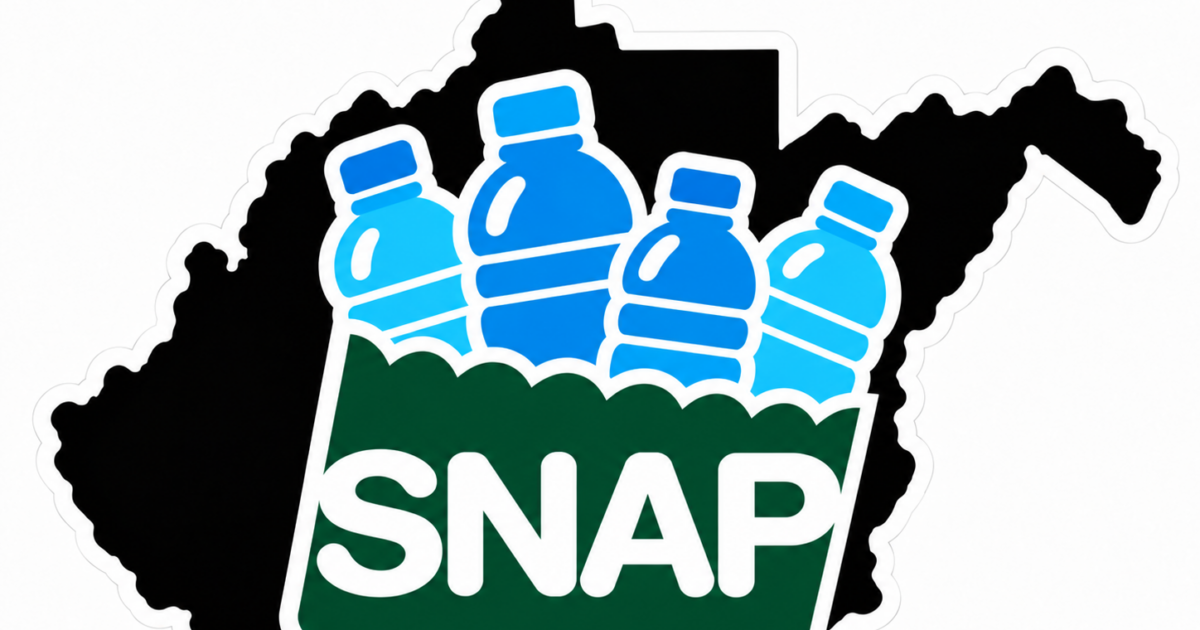
West Virginia food pantry organizers argue that recent health initiatives, including artificial-dye restrictions and proposed limits on SNAP-funded soda purchases, do not address residents’ more urgent needs. They report that some families use SNAP benefits to buy bottled water because of contaminated tap water, while pantry demand has risen amid SNAP delays, benefit reductions, and new work requirements. The article also cites more than 1,500 coal-mining layoffs since December 2025, making employment requirements harder for struggling households to meet.
Watchmen Signals
Biblical Context
Hunger, unsafe water, unemployment, and burdens placed on struggling families are matters Scripture treats as questions of justice, mercy, stewardship, and communal responsibility. Proverbs 31:8–9 calls those with authority to speak for the vulnerable and defend their rights. That principle relates to reported families who cannot reliably obtain safe drinking water or sufficient food, though Scripture does not prescribe a particular modern SNAP policy. Isaiah 58:6–10 connects genuine public righteousness with loosening oppressive burdens, feeding the hungry, sheltering the afflicted, and meeting human need. The passage supports concern that public-health rhetoric should be tested by whether vulnerable neighbors actually receive practical help. It does not by itself settle the debate over artificial dyes, soda purchases, or work requirements. James 2:15–16 addresses the failure to provide basic necessities when believers encounter someone lacking food and clothing. Matthew 25:35–40 likewise presents feeding the hungry and giving drink to the thirsty as concrete expressions of care for people in need. These passages are especially relevant to the church pantry’s ministry and to the reported families facing hunger and contaminated water. Deuteronomy 15:7–11 commands generosity toward the poor within the covenant community and warns against hardening one’s heart when a neighbor is in need. The passage supports sustained concern for impoverished households rather than treating assistance as merely a rhetorical or political issue. At the same time, 2 Thessalonians 3:10–12 teaches that people who are able but unwilling to work should not be encouraged in idleness. That principle should not be applied indiscriminately to families facing layoffs, unsafe water, limited employment, or other barriers; the article describes hardship and possible inability, not simply unwillingness to work. The article presents disputed government choices, but these passages do not endorse one specific policy mechanism. Scripture supports protecting the vulnerable, honest administration, productive work where possible, generosity, and accountability. No specific biblical prophecy is identified: the reported water violations, policy disputes, layoffs, and food insecurity are serious social conditions but do not correspond to a particular prophetic passage in a sufficiently distinctive way.
Biblical Sources
Scripture references supporting the biblical context above.
Addresses persistent unwillingness to work and encourages responsible labor, while requiring careful distinction between unwillingness and the unemployment or hardship reported here.
Commands openhanded generosity toward poor neighbors and cautions against withholding help when need is evident.
Connects faithful justice with lifting burdens, feeding the hungry, and caring for afflicted people; it provides a standard for evaluating whether public concern produces practical help.
Warns against responding to people lacking food and clothing with words alone, directly relating to the gap between public rhetoric and material aid.
Describes feeding the hungry and giving drink to the thirsty as concrete acts of mercy, relevant to church pantry service and families purchasing bottled water.
Calls those with authority to speak for the vulnerable and defend the rights of the poor, relating to families facing hunger, unsafe water, and reduced assistance.
Comments
No comments yet.
Sign in to join the conversation.
Sign InStay Informed. Grow in Biblical Understanding.
Explore important news from around the world through the context of God's Word. Create your FREE Watchmen account to discover more news analysis, Biblical Insights, and Scripture-based perspectives.
Create Your FREE AccountFree to join. No credit card required.