Founding trustee of Oxford’s Islamic studies department believed Muslims should ‘continue the work of Hitler’
Summary
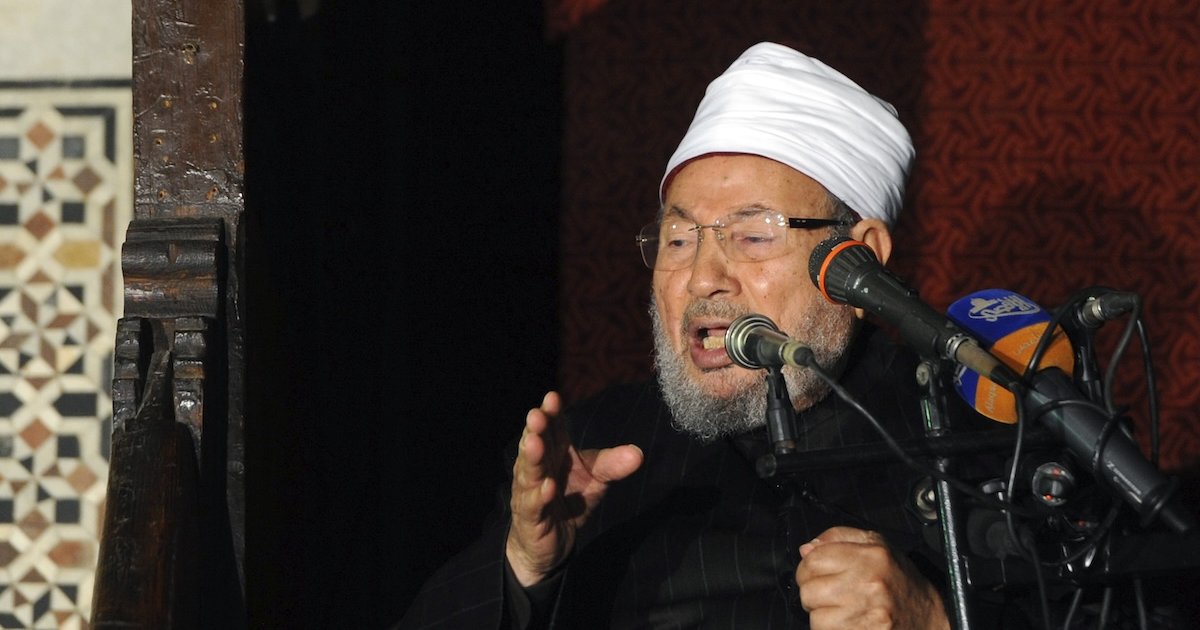
The report examines the legacy of Yusuf al-Qaradawi, an influential Egyptian Sunni scholar associated with the Muslim Brotherhood who died in Qatar in 2022. It highlights his reported endorsement of suicide attacks against Israeli civilians and his alleged connections to Oxford’s Islamic studies institutions. Antisemitism scholar Charles Asher Small claims that Qatar and Muslim Brotherhood networks have moved billions of dollars into Western universities and cultural institutions, spreading extremist ideas. The article presents these allegations as evidence of ideological influence but does not independently verify the financial claims.
Watchmen Signals
Biblical Context
The reported advocacy of killing Israeli civilians and hostility toward Jews conflicts directly with Scripture’s prohibition of murder and its command to reject hatred and pursue the good of one’s neighbor. Exodus 20:13 establishes the prohibition of murder, while Leviticus 19:17-18 forbids hatred and commands love of one’s neighbor. These passages address the moral character of the reported teachings, regardless of the religious or political identity of those promoting them. Jesus likewise commands love for enemies and prayer for persecutors in Matthew 5:43-48. That teaching does not remove the responsibility of governments to restrain violence or the responsibility to expose dangerous ideology, but it rejects the claim that civilians may be treated as legitimate targets because of their national, ethnic, or religious identity. Romans 12:17-21 similarly calls believers away from revenge and urges them to overcome evil with good. The alleged dissemination of extremist and antisemitic ideas through influential institutions also relates to the Bible’s warnings about the responsibility of teachers. James 3:1 cautions that those who teach will be judged more strictly, making it relevant to scholars, religious authorities, and institutions that shape public understanding. Ephesians 4:14 warns against being carried about by deceptive teaching, although applying that passage to the specific university-funding allegations is an interpretive comparison rather than a direct identification of the institutions with biblical false teachers. Scripture also gives Israel and the Jewish people continuing theological significance. Genesis 12:3 records God’s promise concerning those who bless or curse Abraham, and Romans 11:28-29 describes Israel as beloved in relation to the patriarchs and speaks of God’s irrevocable gifts and calling. These passages do not establish that every modern political claim made in Israel’s name is correct, nor do they prove a prophetic development here. They do, however, provide biblical grounds for treating sustained hostility toward Jews as a serious moral and theological concern rather than ordinary political disagreement. The supplied facts do not establish a distinctive fulfillment of a particular prophecy. The concerns are better understood as matters of violence, antisemitism, false influence, institutional accountability, and persecution than as identifiable prophetic fulfillment.
Biblical Sources
Scripture references supporting the biblical context above.
The warning against deceptive teaching offers an indirect comparison to the article’s allegations about extremist ideas spreading through influential institutions.
The command not to murder directly contradicts reported advocacy of suicide bombings and attacks on civilians.
God’s promise concerning those who bless or curse Abraham provides biblical context for taking sustained hostility toward the Jewish people seriously, though it does not decide every modern political dispute.
The warning that teachers face stricter judgment is relevant to influential clerics, scholars, and institutions that shape moral and ideological beliefs.
These verses prohibit hatred and command love of one’s neighbor, providing a direct moral contrast to antisemitic hostility and collective targeting.
Jesus commands love for enemies and prayer for persecutors, rejecting hatred and violence directed at people because of their identity.
Paul describes Israel as beloved in relation to the patriarchs and affirms the irrevocability of God’s gifts and calling, supporting the Jewish people’s continuing biblical significance.
Paul instructs believers not to repay evil with evil or seek personal vengeance, which contrasts with religiously justified attacks on civilians.
Comments
No comments yet.
Sign in to join the conversation.
Sign InStay Informed. Grow in Biblical Understanding.
Explore important news from around the world through the context of God's Word. Create your FREE Watchmen account to discover more news analysis, Biblical Insights, and Scripture-based perspectives.
Create Your FREE AccountFree to join. No credit card required.