From Oct 7 to Michigan: One Israeli-American's mission to stop Abdul El-Sayed
Summary
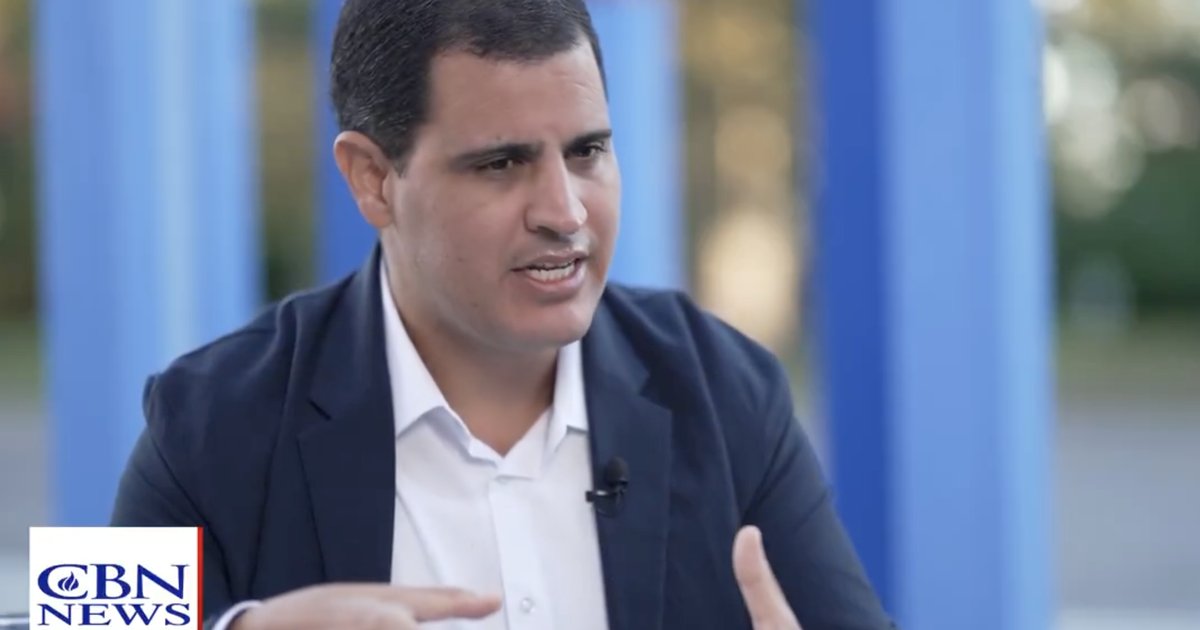
Israeli-American veteran G. Shimon Levy is campaigning in Michigan against Democratic Senate nominee Abdul El-Sayed, urging Jewish voters to support Republican Mike Rogers. Levy says El-Sayed’s views on Israel, Zionism, and Jewish political participation reflect antisemitism and threaten Jewish security. El-Sayed rejects the accusation, saying he respects Jews and Judaism while opposing Israeli government policies and U.S. military aid. The account also describes Levy’s response to the Oct. 7, 2023 Hamas attack, his concerns about antisemitism on both political extremes, and the growing security burden on Jewish institutions.
Watchmen Signals
Biblical Context
The reported hostility toward Jews and concerns about the security of Jewish communities connect meaningfully with Scripture’s teaching about justice, protection from oppression, and the significance of Israel. Exodus 23:6-9 commands impartial justice and protection for the vulnerable, including the foreigner; that principle weighs against antisemitic intimidation and against using political power to deny people fair treatment. Proverbs 31:8-9 calls for defending those who cannot adequately speak for themselves and judging righteously, which is relevant to advocacy for threatened Jewish families and institutions, while also requiring careful separation of verified danger from unsupported political accusation. Romans 13:1-4 describes civil government as having a legitimate responsibility to restrain wrongdoing and protect public order. That provides a relevant framework for Levy’s complaints that Jewish institutions must provide their own security and for the broader question of whether government adequately protects citizens from threats. It does not, however, endorse one candidate or party, and it does not settle the disputed allegations about El-Sayed. Romans 11:1-2, 28-29 is also important because Paul rejects the idea that God has abandoned Israel and speaks of Israel’s continuing significance in God’s purposes. This supports taking hostility toward Jews and contempt for Israel seriously, but it should not be converted into a blanket endorsement of every action of the modern Israeli government or every political position taken in Israel’s name. Likewise, Genesis 12:3 concerns God’s promise to Abraham and the nations’ relationship to him; it can inform a serious biblical concern about hostility toward Abraham’s descendants, but the passage does not provide a simple test for judging a modern Senate candidate. The article’s political conflict should not be treated as fulfillment of a specific prophecy. It reports a Michigan campaign, allegations of antisemitism, and concerns about Jewish security, but it does not describe the distinctive events or conditions of a particular prophetic passage. Scripture supports opposing hatred and injustice while requiring truthful testimony, impartial judgment, and restraint in assigning prophetic meaning to disputed political claims.
Biblical Sources
Scripture references supporting the biblical context above.
These verses require impartial justice, prohibit oppression, and command concern for the vulnerable and the foreigner. They support opposition to antisemitic intimidation and caution against allowing political hostility to distort judgment.
God’s promise to Abram includes a relationship between the nations and those connected with him. It offers broader biblical context for concern about hostility toward the Jewish people, but it should not be used as a simplistic endorsement of a modern candidate or government.
The passage calls people to speak for those who cannot adequately speak for themselves and to judge righteously. It relates to advocacy for Jewish communities facing threats, while also requiring fair and truthful evaluation of the accusations reported.
Paul rejects the claim that God has rejected Israel. The passage supports taking hostility toward Jews and Israel seriously, without endorsing every modern Israeli policy or partisan position.
These verses describe Israel in relation to God’s purposes and emphasize the irrevocability of God’s gifts and calling. They provide theological context for the significance of Israel but do not identify the Michigan campaign as prophetic fulfillment.
Paul presents civil authority as responsible for restraining wrongdoing and maintaining public order. This is relevant to the reported concern that Jewish institutions must self-fund security and to the government’s duty to protect citizens.
Comments
No comments yet.
Sign in to join the conversation.
Sign InStay Informed. Grow in Biblical Understanding.
Explore important news from around the world through the context of God's Word. Create your FREE Watchmen account to discover more news analysis, Biblical Insights, and Scripture-based perspectives.
Create Your FREE AccountFree to join. No credit card required.