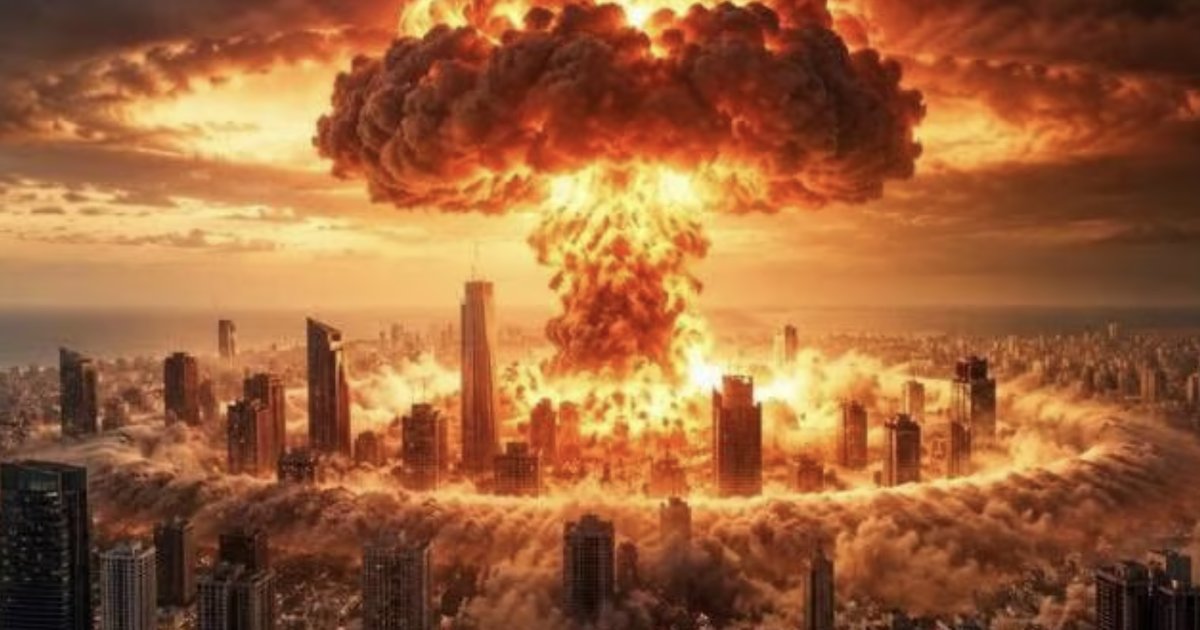
Netanyahu posts political message with image of atomic bomb exploding over Tel Aviv
Summary
Two days before Israel’s elections, Prime Minister Benjamin Netanyahu posted an AI-generated image showing a nuclear explosion over Tel Aviv and warned that an Iranian nuclear capability could create a “second Holocaust.” He urged voters to prioritize Iran’s alleged threat over domestic controversies and argued that only his coalition could address it. Opposition politicians accused him of fearmongering and exploiting public anxiety, while supporters said Netanyahu alone had demonstrated the willingness to strike Iran. The post also drew criticism because Netanyahu had previously claimed Israel’s military actions had neutralized Iran’s existential threat.
Watchmen Signals
Biblical Context
The reported dispute involves Israel’s physical security, hostile foreign powers, the responsibilities of political leadership, and public concern about war. Scripture treats these matters seriously, but it does not validate every modern security claim or identify this election message as prophetic fulfillment. Israel’s leaders and citizens are repeatedly urged to seek peace while recognizing the realities of danger. Psalm 122:6 calls for prayer for the peace of Jerusalem, which gives a legitimate biblical basis for concern about Israel’s safety without endorsing a particular party or military policy. Deuteronomy 20:1-4 addresses Israel facing warfare and emphasizes courage and trust in God when confronting stronger enemies; the passage relates thematically to the reported fear of invasion or annihilation, but it does not determine whether Netanyahu’s assessment of Iran is accurate. Romans 13:1-4 describes governing authorities as responsible for public order and, in its immediate context, recognizes the state’s authority to punish wrongdoing and restrain violence. That principle can illuminate the claimed duty of a government to protect its people, but it does not make every government decision righteous or every political appeal truthful. Proverbs 22:3 commends prudent recognition of danger and appropriate action, while also cautioning against confusing genuine prudence with alarmism; this is relevant to the conflict between Netanyahu’s warnings and opponents’ accusations of fearmongering. The article’s concern with Israel and threats from hostile nations is therefore materially related to subjects Scripture addresses. However, the text reports a political warning and competing claims about Iran’s capabilities, not a distinct event described by a particular prophetic passage. No specific prophecy is responsibly identified here.
Biblical Sources
Scripture references supporting the biblical context above.
These instructions address Israel confronting military threats and emphasize courage and reliance on God; they provide thematic context for reported fears of war, but do not verify the claimed Iranian threat.
The proverb commends recognizing danger and taking prudent precautions, a useful principle in evaluating the difference between legitimate national-security preparation and alleged election-season alarmism.
The psalm calls people to pray for the peace of Jerusalem, directly supporting measured concern for Israel’s security without endorsing a particular political leader or policy.
Paul describes governing authorities as having responsibility to restrain wrongdoing and maintain public order, which relates to the government’s claimed duty to protect Israel’s population while not guaranteeing that its claims or actions are justified.
Comments
No comments yet.
Sign in to join the conversation.
Sign InStay Informed. Grow in Biblical Understanding.
Explore important news from around the world through the context of God's Word. Create your FREE Watchmen account to discover more news analysis, Biblical Insights, and Scripture-based perspectives.
Create Your FREE AccountFree to join. No credit card required.