Trump rules out Sunday strike on Iran as Netanyahu warns Israel faces imminent existential threat
Summary
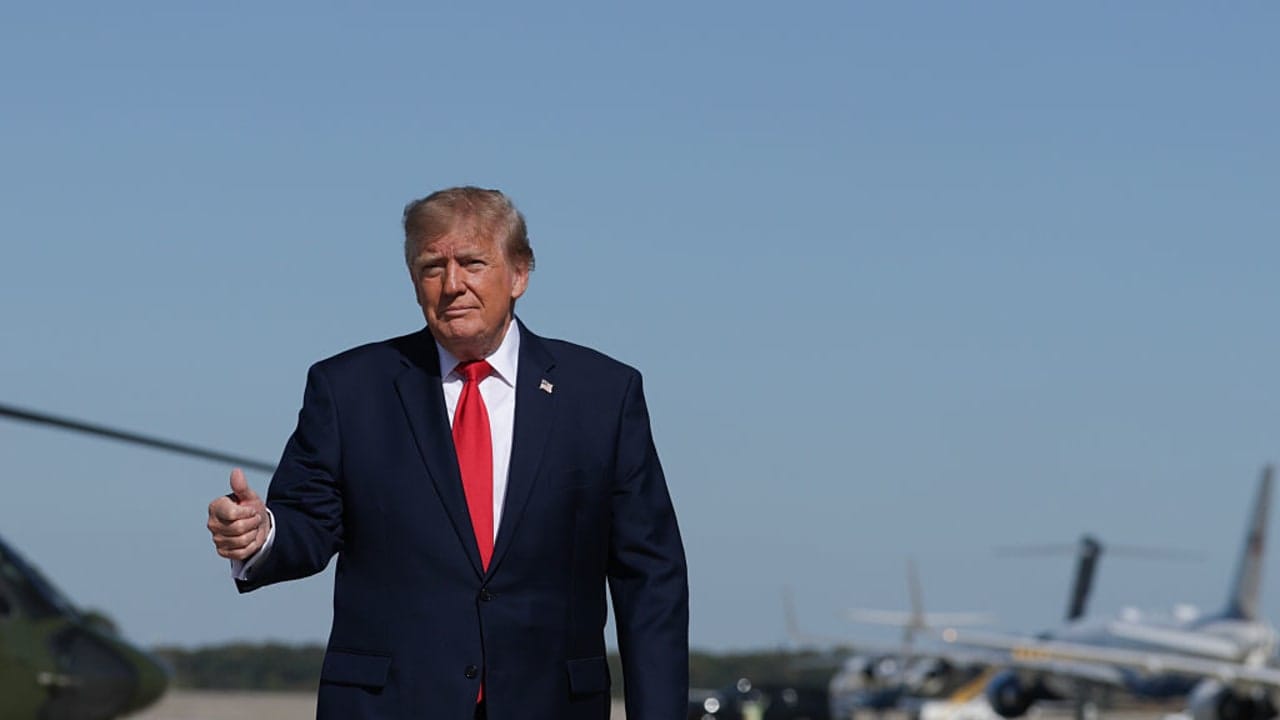
U.S. President Donald Trump said Sunday that the United States would not strike Iran that day, while leaving open the possibility of later military action. He said Washington was deciding between renewing strikes and pursuing an agreement, and that it was monitoring Iran’s Pickaxe Mountain nuclear site and three other locations reportedly damaged in earlier attacks. Israeli Prime Minister Benjamin Netanyahu described Iran as an “existential danger” and said Israel and the United States had only a limited window to act. Trump previously suggested another operation was under consideration.
Watchmen Signals
Biblical Context
The possibility of renewed U.S. strikes, Israel’s stated security crisis, and the authority of national leaders to choose between war and negotiation correspond to subjects Scripture addresses directly, even though the report does not establish a specific prophetic fulfillment. Romans 13:1-4 describes governing authorities as responsible for maintaining order and restraining wrongdoing. It does not endorse every government decision, but it provides a framework for considering the serious responsibility borne by presidents and other rulers who possess military power. Trump’s unresolved choice between additional strikes and an agreement illustrates that governmental authority involves consequential decisions affecting the lives and security of entire populations. Luke 14:31-32 uses a king considering whether he can confront another king as an illustration of deliberate judgment before entering a conflict. The passage is primarily teaching the cost of discipleship, not prescribing a modern military policy, but its reasoning is relevant by analogy to the reported debate over whether further action against Iran is feasible, necessary, and proportionate. Proverbs 20:18 commends establishing plans through counsel. Applied cautiously, this supports the importance of careful assessment and consultation before military action, particularly when officials are evaluating intelligence about nuclear sites and anticipating regional consequences. It does not determine whether a strike or agreement would be the right policy. Matthew 5:9 blesses peacemakers, while James 4:1-2 identifies conflicts and destructive desires as sources of human violence. Together, these passages support the biblical priority of pursuing peace and expose the moral seriousness of military escalation. They do not imply that every use of force is illegitimate, nor do they resolve the factual dispute over Iran’s intentions or Israel’s security claims. Psalm 122:6 calls God’s people to pray for the peace of Jerusalem. Because the report centers partly on Israel’s declared danger and the possibility of a regional war, the passage provides a direct devotional connection for Christians concerned about Israel’s safety. It should not be used to treat current political decisions as automatic fulfillment of prophecy. No specific prophetic passage is established by the reported facts: the presence of Israel, Iran, nuclear facilities, and possible war is not enough to identify a particular end-times event.
Biblical Sources
Scripture references supporting the biblical context above.
Addresses the sources and destructive consequences of human conflict, helping frame the moral gravity of threatened regional escalation.
Uses a king’s assessment before entering war as an illustration of counting the cost; the application to the U.S. decision is analogical rather than the passage’s primary meaning.
Jesus blesses peacemakers, providing a biblical basis for treating negotiation and the prevention of wider conflict as morally significant.
Teaches that plans are established through counsel, supporting careful deliberation before a consequential military decision.
Calls for prayer for the peace of Jerusalem, which is relevant to the report’s focus on Israel’s claimed security threat; it does not establish prophetic fulfillment.
Explains the governing authority’s responsibility to maintain order and restrain wrongdoing, illuminating the serious responsibility of national leaders who control military force.
Comments
No comments yet.
Sign in to join the conversation.
Sign InStay Informed. Grow in Biblical Understanding.
Explore important news from around the world through the context of God's Word. Create your FREE Watchmen account to discover more news analysis, Biblical Insights, and Scripture-based perspectives.
Create Your FREE AccountFree to join. No credit card required.