Inside the Pentagon's doomsday plan to keep America fighting if global war erupts
Summary
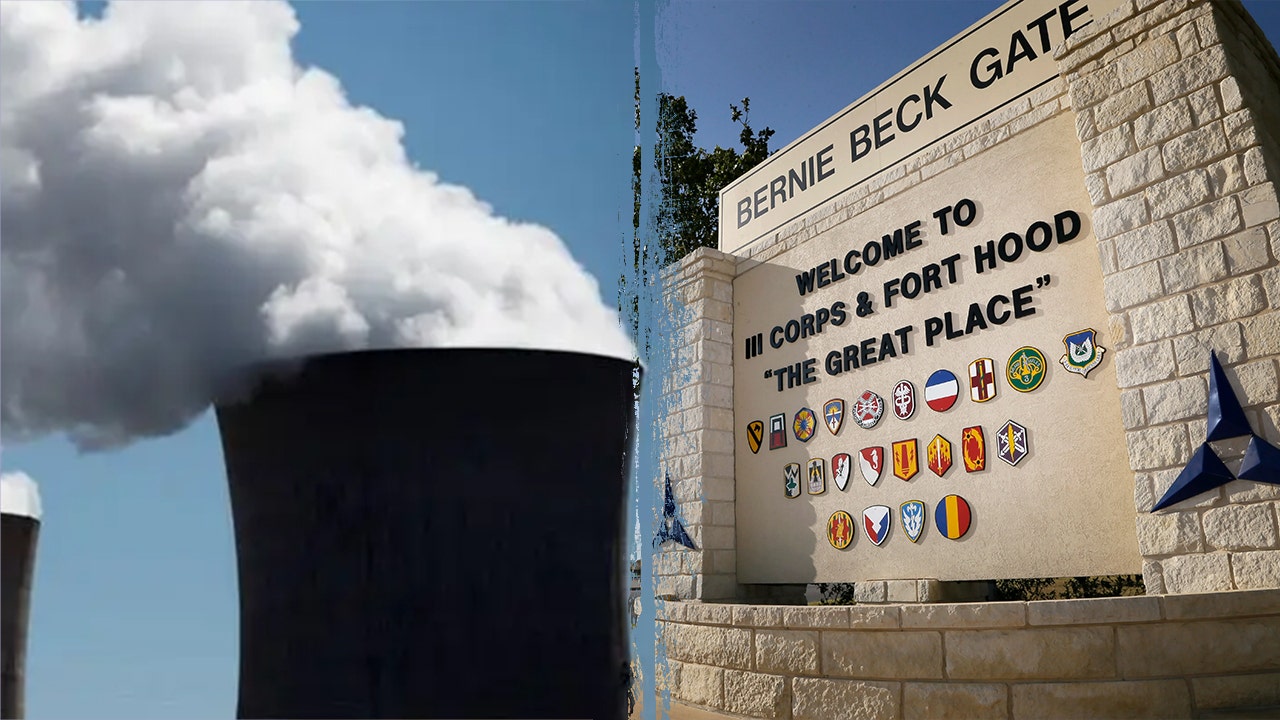
The Pentagon’s FORTRESS initiative would require major U.S. military installations to sustain essential operations for at least 90 days without normal civilian support. The plan addresses potential power-grid failures, disrupted supply chains, damaged communications, GPS interference, and shortages of fuel, weapons, minerals, electronics, and medical supplies during a major conflict. It also proposes microgrids, energy storage, portable reactors, strategic reserves, redundant suppliers, and arrangements for civilian factories to shift to defense production during a crisis.
Watchmen Signals
Biblical Context
Preparing military forces for a prolonged conflict, protecting essential infrastructure, and exercising public authority are matters Scripture addresses through principles of prudence, counsel, and government responsibility. Jesus uses a king assessing whether he can meet a stronger army in Luke 14:31 as an illustration of counting the cost before undertaking a major action. The passage is not a military policy command, but it directly supports the prudential logic of assessing resources and preparedness before a crisis. Proverbs 24:6 commends obtaining guidance and safety through wise counsel, which relates by analogy to the Pentagon’s planning, redundancy requirements, stress tests, and contingency preparations. The connection is principled rather than prophetic: the verse does not describe modern defense infrastructure. Romans 13:1–4 presents civil authorities as having responsibility to maintain order and restrain wrongdoing. That broad teaching helps explain why a government may prepare national defense and protect infrastructure. It does not endorse every particular policy, technology, or military action, nor does it establish that the reported initiative fulfills prophecy. The initiative’s references to a possible major war, infrastructure failure, and supply disruption do not correspond to a distinctive biblical prophecy. Scripture contains many general accounts and warnings involving conflict and societal hardship, but the facts reported here do not identify a particular prophetic event or demonstrate prophetic fulfillment.
Biblical Sources
Scripture references supporting the biblical context above.
Jesus describes a king first considering whether he has sufficient forces to meet an opposing army. This supports the principle of counting costs and assessing readiness before a serious conflict, though it is an illustration rather than a directive about modern military planning.
The proverb associates successful defense with wise counsel and careful guidance. It relates to FORTRESS’s contingency planning, redundancy, and stress testing, while remaining a broader prudential parallel rather than a specific prediction.
Paul describes governing authorities as possessing responsibility to maintain public order and restrain wrongdoing. This provides a biblical basis for recognizing civil authorities’ legitimate defense responsibilities, without validating every governmental decision or military program.
Comments
No comments yet.
Sign in to join the conversation.
Sign InStay Informed. Grow in Biblical Understanding.
Explore important news from around the world through the context of God's Word. Create your FREE Watchmen account to discover more news analysis, Biblical Insights, and Scripture-based perspectives.
Create Your FREE AccountFree to join. No credit card required.